
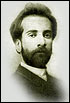
Isaac Ilyich Levitan Giclée Fine Art Prints 1 of 6
1860-1900
Russian Peredvizhniki Painter
A woman in a black dress walks toward us down a damp avenue in a Moscow park, and the hand that painted her was not the hand that signed the canvas. Autumn Day. Sokolniki (1879) belongs to Isaac Ilyich Levitan (1860-1900), the Russian landscape painter who taught his country to read weather as feeling. The solitary figure was added by his fellow student Nikolay Chekhov, who thought the path looked wrong without someone on it. Such collaborations were routine at the Moscow School of Painting, Sculpture and Architecture. What was not routine was the nineteen-year-old's grasp of how much a low grey sky could be made to carry.
He was born in Kibarty, a shtetl in the Augustów Governorate of Congress Poland, then part of the Russian Empire and today Lithuanian territory. The household was poor and bookish. His father Elyashiv, a rabbi's son who had completed a yeshiva and then educated himself, taught German and French in Kowno before taking work as a translator for a French company building a railway bridge. In 1870 the family moved to Moscow. In September 1873 Isaac Levitan followed his elder brother Avel into the Moscow School, passing within two years from the copying class to the naturalistic class and then into landscape.
Then everything collapsed. His mother died in 1875; his father fell gravely ill, could no longer support four children, and died in 1877. The school kept him on with a scholarship, an act of patronage that acknowledged both his gift and the exposed position of a Jewish student in imperial Russia. His teachers were formidable - Vasily Perov, Vasily Polenov, and above all Alexei Savrasov, who had absorbed the example of the Barbizon painters and of Corot, and who took his students outdoors to work en plein air. Russian country motifs had until then been thought too dull for serious painting. Savrasov argued otherwise, insisting on observed detail and felt emotion together, and Levitan built a life's work on the instruction.
Recognition came early and unevenly. His pictures were shown publicly in 1877 to warm notices in the press. In May 1879, after Alexander Soloviev's attempt on the life of Alexander II, Jews were expelled in numbers from the empire's larger cities and the family was pushed out to the suburb of Saltykovka; pressure from admirers secured his return that autumn. Pavel Tretyakov bought Autumn Day. Sokolniki in 1880 for a hundred roubles and went on to acquire twenty more canvases, which is why the Tretyakov Gallery remains the place to meet him properly.
The break with the school came in 1883. Hoping for the silver medal that would qualify him as a classed artist, Levitan submitted a landscape and showed it first to Savrasov, by then drinking heavily and no longer teaching, who wrote "silver medal" across the back of the canvas. The school refused the picture. Korovin later repeated the gossip that antisemitism decided the matter, and Konstantin Paustovsky recorded the same contention - that some held a Jew had no business painting the Russian countryside. Whatever the reason, Levitan stopped attending.
Work continued regardless. In the spring of 1884 he showed with the Peredvizhniki, the travelling exhibition society he joined outright in 1891. He illustrated the Fabritsius edition of Kremlin and contributed to the Chekhov brothers' magazine Moscow. With Konstantin Korovin he painted scenery in 1885 and 1886 for Savva Mamontov's Private Russian Opera; Polenov remembered that when the curtain rose on the underwater scene for Rusalka, which Levitan had painted with Victor Vasnetsov, the audience applauded. The drawing and watercolour evenings at Polenov's house gathered the same circle - Korovin, Mikhail Nesterov, the architect Fyodor Shekhtel, Nikolay Chekhov.
Anton Chekhov became the central relationship of his adult life. Summers near Babkino produced The River Istra (1885), which Levitan gave to the writer, and the sombre Twilight. River Istra of the same year. The friendship had its cruelties: Chekhov's household pantomimes cast Levitan as villain, as victim, as the alien Jew, all supposedly in fun. It ruptured in 1892 over The Grasshopper, published in the magazine Sever, which Levitan read as an account of his affair with the painter Sofia Kuvshinnikova. The resemblance was loose - Chekhov's heroine was young, blonde and no artist, while Kuvshinnikova was forty-two, dark-haired and genuinely accomplished - but the indulgent husband was unmistakable. A duel was threatened. Chekhov apologised, and the estrangement held until January 1895.
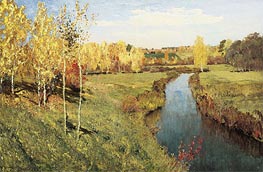
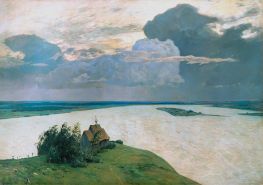
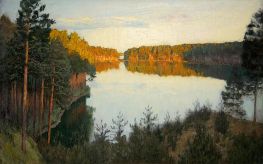
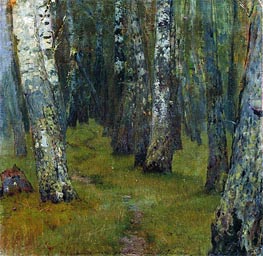
Out of these years came the landscape of mood, in which the condition of a field or a sky becomes the condition of a soul. Vladimirka (1892) gives us an empty road under an enormous sky, and expects the viewer to know that convicts walked it to Siberia. Evening Bells (1892) and Eternal Rest (1894), both in the Tretyakov, keep a silence that is almost past bearing. Cities barely detained him; apart from the lost View of Simonov Monastery and Illumination of the Kremlin, Moscow scarcely appears. Birches recur instead, season after season - the flooded silver trunks of Spring Flood (1897), the dappled Impressionist light of Birch Grove (1885-89), the orange and yellow crowns of Golden Autumn (1895) above a winding blue river. In Moonlit Night: Main Road (1897) he paints not the trees but the moonlight travelling along them. The comparison with Monet is inevitable and slightly misleading; his palette stayed muted, his instincts poetic rather than optical.
Travel deepened him. The summer of 1890 took him to Yuryevets, where a study of the Krivoozersky monastery seeded A Quiet Monastery - a cloister, a plank bridge, a river between the world and its silence. Chekhov was shaken by it. Levitan sat among the Itinerants from 1891 without sharing their documentary conscience; where colleagues indicted Russian hardship, he painted beauty, which is why the younger World of Art generation later claimed him. In September 1892 the Moscow expulsions resumed and he withdrew to Boldino, returning that December only because Kuvshinnikov exerted his influence on behalf of his wife's lover.
Honours arrived as his heart gave way. Elected to the Imperial Academy of Arts in 1897 and appointed head of the Landscape Studio at his old school in 1898, Isaac Levitan spent his last year at Chekhov's house in Crimea. The late canvases grow lighter rather than heavier; Lake. Rus, unfinished when he died on 4 August 1900, is all wind and open water. Perhaps a man with no wife and no children gave everything he had to the weather. He was buried in the Dorogomilovo Jewish cemetery and moved in April 1941 to Novodevichy, near Chekhov.
More than a thousand works survive - oils, watercolours, pastels, drawings, illustrations. The memorial exhibition mounted in Moscow and then St Petersburg the year after his death ran to several hundred pictures, and generations of Russian schoolchildren afterwards met his birches on the covers of their textbooks. A minor planet found by Lyudmila Zhuravlyova in 1979 carries his name. The achievement still looks larger than the genre he chose, because he understood that landscape can be a form of autobiography, and because he made room in Russian painting for grief without complaint. Stand before Vladimirka and the road is still going somewhere you would rather not follow.
He was born in Kibarty, a shtetl in the Augustów Governorate of Congress Poland, then part of the Russian Empire and today Lithuanian territory. The household was poor and bookish. His father Elyashiv, a rabbi's son who had completed a yeshiva and then educated himself, taught German and French in Kowno before taking work as a translator for a French company building a railway bridge. In 1870 the family moved to Moscow. In September 1873 Isaac Levitan followed his elder brother Avel into the Moscow School, passing within two years from the copying class to the naturalistic class and then into landscape.
Then everything collapsed. His mother died in 1875; his father fell gravely ill, could no longer support four children, and died in 1877. The school kept him on with a scholarship, an act of patronage that acknowledged both his gift and the exposed position of a Jewish student in imperial Russia. His teachers were formidable - Vasily Perov, Vasily Polenov, and above all Alexei Savrasov, who had absorbed the example of the Barbizon painters and of Corot, and who took his students outdoors to work en plein air. Russian country motifs had until then been thought too dull for serious painting. Savrasov argued otherwise, insisting on observed detail and felt emotion together, and Levitan built a life's work on the instruction.
Recognition came early and unevenly. His pictures were shown publicly in 1877 to warm notices in the press. In May 1879, after Alexander Soloviev's attempt on the life of Alexander II, Jews were expelled in numbers from the empire's larger cities and the family was pushed out to the suburb of Saltykovka; pressure from admirers secured his return that autumn. Pavel Tretyakov bought Autumn Day. Sokolniki in 1880 for a hundred roubles and went on to acquire twenty more canvases, which is why the Tretyakov Gallery remains the place to meet him properly.
The break with the school came in 1883. Hoping for the silver medal that would qualify him as a classed artist, Levitan submitted a landscape and showed it first to Savrasov, by then drinking heavily and no longer teaching, who wrote "silver medal" across the back of the canvas. The school refused the picture. Korovin later repeated the gossip that antisemitism decided the matter, and Konstantin Paustovsky recorded the same contention - that some held a Jew had no business painting the Russian countryside. Whatever the reason, Levitan stopped attending.
Work continued regardless. In the spring of 1884 he showed with the Peredvizhniki, the travelling exhibition society he joined outright in 1891. He illustrated the Fabritsius edition of Kremlin and contributed to the Chekhov brothers' magazine Moscow. With Konstantin Korovin he painted scenery in 1885 and 1886 for Savva Mamontov's Private Russian Opera; Polenov remembered that when the curtain rose on the underwater scene for Rusalka, which Levitan had painted with Victor Vasnetsov, the audience applauded. The drawing and watercolour evenings at Polenov's house gathered the same circle - Korovin, Mikhail Nesterov, the architect Fyodor Shekhtel, Nikolay Chekhov.
Anton Chekhov became the central relationship of his adult life. Summers near Babkino produced The River Istra (1885), which Levitan gave to the writer, and the sombre Twilight. River Istra of the same year. The friendship had its cruelties: Chekhov's household pantomimes cast Levitan as villain, as victim, as the alien Jew, all supposedly in fun. It ruptured in 1892 over The Grasshopper, published in the magazine Sever, which Levitan read as an account of his affair with the painter Sofia Kuvshinnikova. The resemblance was loose - Chekhov's heroine was young, blonde and no artist, while Kuvshinnikova was forty-two, dark-haired and genuinely accomplished - but the indulgent husband was unmistakable. A duel was threatened. Chekhov apologised, and the estrangement held until January 1895.
Out of these years came the landscape of mood, in which the condition of a field or a sky becomes the condition of a soul. Vladimirka (1892) gives us an empty road under an enormous sky, and expects the viewer to know that convicts walked it to Siberia. Evening Bells (1892) and Eternal Rest (1894), both in the Tretyakov, keep a silence that is almost past bearing. Cities barely detained him; apart from the lost View of Simonov Monastery and Illumination of the Kremlin, Moscow scarcely appears. Birches recur instead, season after season - the flooded silver trunks of Spring Flood (1897), the dappled Impressionist light of Birch Grove (1885-89), the orange and yellow crowns of Golden Autumn (1895) above a winding blue river. In Moonlit Night: Main Road (1897) he paints not the trees but the moonlight travelling along them. The comparison with Monet is inevitable and slightly misleading; his palette stayed muted, his instincts poetic rather than optical.
Travel deepened him. The summer of 1890 took him to Yuryevets, where a study of the Krivoozersky monastery seeded A Quiet Monastery - a cloister, a plank bridge, a river between the world and its silence. Chekhov was shaken by it. Levitan sat among the Itinerants from 1891 without sharing their documentary conscience; where colleagues indicted Russian hardship, he painted beauty, which is why the younger World of Art generation later claimed him. In September 1892 the Moscow expulsions resumed and he withdrew to Boldino, returning that December only because Kuvshinnikov exerted his influence on behalf of his wife's lover.
Honours arrived as his heart gave way. Elected to the Imperial Academy of Arts in 1897 and appointed head of the Landscape Studio at his old school in 1898, Isaac Levitan spent his last year at Chekhov's house in Crimea. The late canvases grow lighter rather than heavier; Lake. Rus, unfinished when he died on 4 August 1900, is all wind and open water. Perhaps a man with no wife and no children gave everything he had to the weather. He was buried in the Dorogomilovo Jewish cemetery and moved in April 1941 to Novodevichy, near Chekhov.
More than a thousand works survive - oils, watercolours, pastels, drawings, illustrations. The memorial exhibition mounted in Moscow and then St Petersburg the year after his death ran to several hundred pictures, and generations of Russian schoolchildren afterwards met his birches on the covers of their textbooks. A minor planet found by Lyudmila Zhuravlyova in 1979 carries his name. The achievement still looks larger than the genre he chose, because he understood that landscape can be a form of autobiography, and because he made room in Russian painting for grief without complaint. Stand before Vladimirka and the road is still going somewhere you would rather not follow.
126 Isaac Levitan Artworks
Page 1 of 6
Giclée Canvas Print
$63.52
$63.52
SKU: 8017-LEV
Isaac Ilyich Levitan
Original Size:82 x 126 cm
The Tretyakov Gallery, Moscow, Russia
Isaac Ilyich Levitan
Original Size:82 x 126 cm
The Tretyakov Gallery, Moscow, Russia
Giclée Canvas Print
$67.92
$67.92
SKU: 959-LEV
Isaac Ilyich Levitan
Original Size:150 x 206 cm
The Tretyakov Gallery, Moscow, Russia
Isaac Ilyich Levitan
Original Size:150 x 206 cm
The Tretyakov Gallery, Moscow, Russia
Giclée Canvas Print
$63.52
$63.52
SKU: 8037-LEV
Isaac Ilyich Levitan
Original Size:19 x 23 cm
Art Museum M. S. Tuganov, Vladikavkaz, Russia
Isaac Ilyich Levitan
Original Size:19 x 23 cm
Art Museum M. S. Tuganov, Vladikavkaz, Russia
Giclée Canvas Print
$63.52
$63.52
SKU: 8068-LEV
Isaac Ilyich Levitan
Original Size:48.8 x 80 cm
The Rostov Regional Fine Art Museum, Rostov-on-Don, Russia
Isaac Ilyich Levitan
Original Size:48.8 x 80 cm
The Rostov Regional Fine Art Museum, Rostov-on-Don, Russia
Giclée Canvas Print
$63.52
$63.52
SKU: 8113-LEV
Isaac Ilyich Levitan
Original Size:25 x 34.5 cm
Chelyabinsk Region Picture Gallery, Chelyabinsk, Russia
Isaac Ilyich Levitan
Original Size:25 x 34.5 cm
Chelyabinsk Region Picture Gallery, Chelyabinsk, Russia
Giclée Canvas Print
$63.52
$63.52
SKU: 8135-LEV
Isaac Ilyich Levitan
Original Size:34 x 50 cm
The Tretyakov Gallery, Moscow, Russia
Isaac Ilyich Levitan
Original Size:34 x 50 cm
The Tretyakov Gallery, Moscow, Russia
Giclée Canvas Print
$63.52
$63.52
SKU: 8038-LEV
Isaac Ilyich Levitan
Original Size:35.5 x 36 cm
Regional Art Museum, Stavropol, Russia
Isaac Ilyich Levitan
Original Size:35.5 x 36 cm
Regional Art Museum, Stavropol, Russia
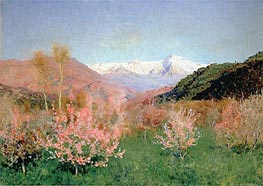
Giclée Canvas Print
$68.09
$68.09
SKU: 8045-LEV
Isaac Ilyich Levitan
Original Size:42.8 x 60.2 cm
The Tretyakov Gallery, Moscow, Russia
Isaac Ilyich Levitan
Original Size:42.8 x 60.2 cm
The Tretyakov Gallery, Moscow, Russia
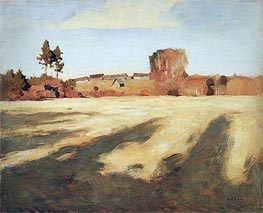
Giclée Canvas Print
$63.52
$63.52
SKU: 8127-LEV
Isaac Ilyich Levitan
Original Size:59.5 x 73 cm
Art Gallery, Yerevan, Armenia
Isaac Ilyich Levitan
Original Size:59.5 x 73 cm
Art Gallery, Yerevan, Armenia
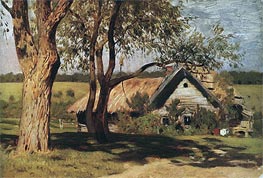
Giclée Canvas Print
$63.52
$63.52
SKU: 8054-LEV
Isaac Ilyich Levitan
Original Size:21.5 x 30.5 cm
State Russian Museum, St. Petersburg, Russia
Isaac Ilyich Levitan
Original Size:21.5 x 30.5 cm
State Russian Museum, St. Petersburg, Russia
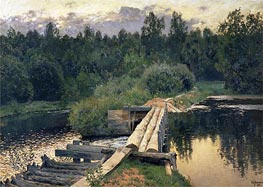
Giclée Canvas Print
$68.27
$68.27
SKU: 8033-LEV
Isaac Ilyich Levitan
Original Size:unknown
The Tretyakov Gallery, Moscow, Russia
Isaac Ilyich Levitan
Original Size:unknown
The Tretyakov Gallery, Moscow, Russia
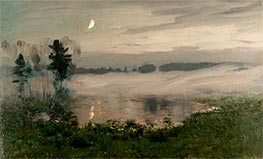
Giclée Canvas Print
$63.52
$63.52
SKU: 18511-LEV
Isaac Ilyich Levitan
Original Size:40.4 x 62.4 cm
Public Collection
Isaac Ilyich Levitan
Original Size:40.4 x 62.4 cm
Public Collection
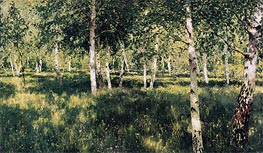
Giclée Canvas Print
$63.52
$63.52
SKU: 8009-LEV
Isaac Ilyich Levitan
Original Size:28 x 50 cm
The Tretyakov Gallery, Moscow, Russia
Isaac Ilyich Levitan
Original Size:28 x 50 cm
The Tretyakov Gallery, Moscow, Russia
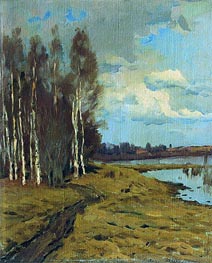
Giclée Canvas Print
$63.52
$63.52
SKU: 8114-LEV
Isaac Ilyich Levitan
Original Size:31 x 26 cm
The State Central Museum of Musical Culture M. I. Glinka, Moscow, Russia
Isaac Ilyich Levitan
Original Size:31 x 26 cm
The State Central Museum of Musical Culture M. I. Glinka, Moscow, Russia
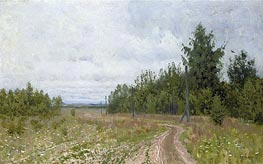
Giclée Canvas Print
$91.14
$91.14
SKU: 8029-LEV
Isaac Ilyich Levitan
Original Size:43 x 66.6 cm
Private Collection
Isaac Ilyich Levitan
Original Size:43 x 66.6 cm
Private Collection
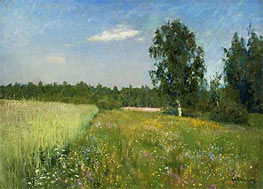
Giclée Canvas Print
$69.32
$69.32
SKU: 8018-LEV
Isaac Ilyich Levitan
Original Size:43.5 x 61 cm
The Tretyakov Gallery, Moscow, Russia
Isaac Ilyich Levitan
Original Size:43.5 x 61 cm
The Tretyakov Gallery, Moscow, Russia
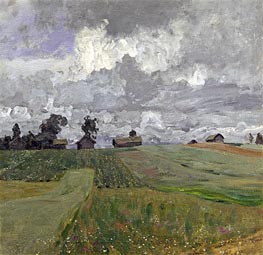
Giclée Canvas Print
$93.47
$93.47
SKU: 16895-LEV
Isaac Ilyich Levitan
Original Size:84 x 86 cm
The Tretyakov Gallery, Moscow, Russia
Isaac Ilyich Levitan
Original Size:84 x 86 cm
The Tretyakov Gallery, Moscow, Russia
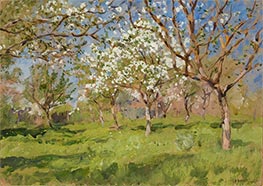
Giclée Canvas Print
$63.52
$63.52
SKU: 18512-LEV
Isaac Ilyich Levitan
Original Size:18.5 x 25.8 cm
The Tretyakov Gallery, Moscow, Russia
Isaac Ilyich Levitan
Original Size:18.5 x 25.8 cm
The Tretyakov Gallery, Moscow, Russia
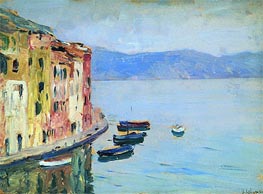
Giclée Canvas Print
$63.52
$63.52
SKU: 8074-LEV
Isaac Ilyich Levitan
Original Size:15.7 x 21.4 cm
Private Collection
Isaac Ilyich Levitan
Original Size:15.7 x 21.4 cm
Private Collection
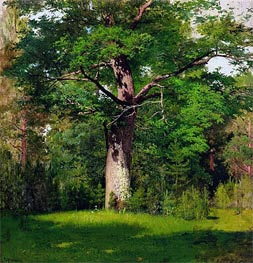
Giclée Canvas Print
$63.52
$63.52
SKU: 8056-LEV
Isaac Ilyich Levitan
Original Size:57.5 x 57.6 cm
The Tretyakov Gallery, Moscow, Russia
Isaac Ilyich Levitan
Original Size:57.5 x 57.6 cm
The Tretyakov Gallery, Moscow, Russia
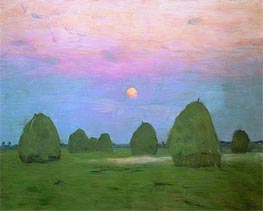
Giclée Canvas Print
$75.97
$75.97
SKU: 962-LEV
Isaac Ilyich Levitan
Original Size:59.8 x 74.6 cm
The Tretyakov Gallery, Moscow, Russia
Isaac Ilyich Levitan
Original Size:59.8 x 74.6 cm
The Tretyakov Gallery, Moscow, Russia
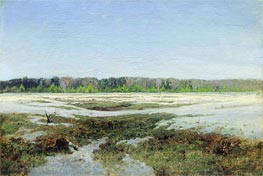
Giclée Canvas Print
$63.52
$63.52
SKU: 8021-LEV
Isaac Ilyich Levitan
Original Size:49 x 72 cm
Art Gallery, Taganrog, Russia
Isaac Ilyich Levitan
Original Size:49 x 72 cm
Art Gallery, Taganrog, Russia
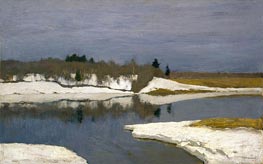
Giclée Canvas Print
$63.52
$63.52
SKU: 8012-LEV
Isaac Ilyich Levitan
Original Size:41.5 x 66.3 cm
State Russian Museum, St. Petersburg, Russia
Isaac Ilyich Levitan
Original Size:41.5 x 66.3 cm
State Russian Museum, St. Petersburg, Russia
Giclée Canvas Print
$68.27
$68.27
SKU: 8036-LEV
Isaac Ilyich Levitan
Original Size:41 x 59 cm
The Tretyakov Gallery, Moscow, Russia
Isaac Ilyich Levitan
Original Size:41 x 59 cm
The Tretyakov Gallery, Moscow, Russia