
Sir Peter Lely Giclée Fine Art Prints 1 of 4
1618-1680
Dutch Baroque Painter
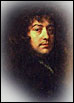
Sir Peter Lely died as he had lived - at his easel, brush in hand, a portrait of the Duchess of Somerset unfinished before him. It was 30 November 1680, in his studio at Covent Garden. Born Pieter van der Faes on 14 September 1618 in Soest, Westphalia, Lely was a painter of Dutch origin who spent nearly his entire working life in England, where he reigned as the dominant portraitist of the Stuart court.
His beginnings were modest and faintly martial. Lely's father served as an officer in the armed forces of the Elector of Brandenburg, and the family name itself carries a curious origin: the artist is said to have taken "Lely" from a heraldic lily carved on the gable of the house in The Hague where his father had been born. He trained in Haarlem, that crucible of Dutch painting, where he may have apprenticed under Pieter de Grebber. By 1637 he had earned the rank of master in the Guild of Saint Luke. The grounding was thorough, the ambition unmistakable.
Around 1643 he crossed the North Sea to London, arriving in a nation soon to be torn by civil war. His earliest English works leaned toward mythological and religious scenes, or portraits set against pastoral landscapes - canvases that betray the twin debts to Anthony van Dyck and the Dutch baroque. Van Dyck had died in 1641, leaving the field of fashionable portraiture open. Lely stepped into it with assurance, becoming a freeman of the Painter-Stainers' Company in 1647 and serving as portraitist to Charles I himself.
Then came the axe. Charles I was executed in 1649, and many a court artist might have found his livelihood severed alongside the king's neck. Not Lely. Adaptable and shrewd, he painted Oliver Cromwell - famously "warts and all" - and later Richard Cromwell, navigating the upheavals of the Commonwealth with a survivor's instinct. The poet Sir Richard Lovelace, around 1650, honoured him in two verses, "Peinture" and the lines beginning "See! What a clouded majesty!" Few painters have weathered regime change so gracefully.
The Restoration of 1660 brought his apogee. In 1661 Charles II appointed him Principal Painter in Ordinary, with a stipend of £200 a year - precisely the sum van Dyck had once commanded. The following year, 1662, Lely became a naturalised English subject. His studio in Covent Garden, where he lived from around 1651 at No. 10-11 Great Piazza, became a veritable portrait factory. Demand was relentless, and Lely met it with an organised workshop of pupils. He would paint the sitter's head, then assistants completed the canvas in one of a series of numbered poses, dressing the figure in stock arrangements of drapery, flowers, and instruments.
This system made him the first English painter to leave behind, as one critic dryly noted, an enormous mass of work. The quality varies wildly - from rare prime originals of astonishing refinement to crass replicas drilled out by assistants. On his death, his executors reportedly employed a dozen hands to finish the canvases stacked about the studio. Yet at its best, Lely's brush was supremely confident, capturing the languid sensuality of Restoration court life with a richness of colour and a knowing eye.
Consider his finest series. The Windsor Beauties - ten portraits of court ladies, once at Windsor Castle and now at Hampton Court Palace - distil an entire era's idea of feminine allure. A parallel set hangs at Althorp. For the navy he produced the Flagmen of Lowestoft, twelve portraits of admirals and captains from the Second Anglo-Dutch War, now largely held by the National Maritime Museum in Greenwich. His Susannah and the Elders survives at Burghley House. And his most celebrated non-portrait, Nymphs by a Fountain, a sensuous and atypical mythological reverie, hangs in the Dulwich Picture Gallery.
Lely's vision favoured women, whose décolletage he often accentuated with frank, sometimes startling boldness. Yet he was also a man of broad cultivation. Knighted in 1680 by Charles II, he was renowned in his lifetime as a discerning connoisseur. His collection of Old Masters - Titian, Veronese, Claude Lorrain, Rubens - together with a fabulous trove of drawings, was dispersed after his death for the staggering sum of £26,000. Some pieces, acquired from the sale of Charles I's confiscated collection, including the Lely Venus, returned to the Royal Collection.
He left another, quieter legacy. Recognising the commercial promise of the mezzotint, Lely encouraged Dutch engravers to come to Britain to reproduce his portraits, effectively founding the English mezzotint tradition. After his death the court mantle passed jointly to John Riley and Sir Godfrey Kneller, that other German-born Dutchman whose manner grew from Lely's own.
Perhaps it is fitting that he died working. There is something honest in a craftsman expiring mid-brushstroke, the Duchess of Somerset forever caught between sittings. Lely was buried at St Paul's Church, Covent Garden, the painters' parish. His art continues to define how we picture the Restoration - its glamour, its theatre, its half-lidded gaze. Sir Peter Lely gave a borrowed kingdom its face, and the face still holds our attention three and a half centuries on.
His beginnings were modest and faintly martial. Lely's father served as an officer in the armed forces of the Elector of Brandenburg, and the family name itself carries a curious origin: the artist is said to have taken "Lely" from a heraldic lily carved on the gable of the house in The Hague where his father had been born. He trained in Haarlem, that crucible of Dutch painting, where he may have apprenticed under Pieter de Grebber. By 1637 he had earned the rank of master in the Guild of Saint Luke. The grounding was thorough, the ambition unmistakable.
Around 1643 he crossed the North Sea to London, arriving in a nation soon to be torn by civil war. His earliest English works leaned toward mythological and religious scenes, or portraits set against pastoral landscapes - canvases that betray the twin debts to Anthony van Dyck and the Dutch baroque. Van Dyck had died in 1641, leaving the field of fashionable portraiture open. Lely stepped into it with assurance, becoming a freeman of the Painter-Stainers' Company in 1647 and serving as portraitist to Charles I himself.
Then came the axe. Charles I was executed in 1649, and many a court artist might have found his livelihood severed alongside the king's neck. Not Lely. Adaptable and shrewd, he painted Oliver Cromwell - famously "warts and all" - and later Richard Cromwell, navigating the upheavals of the Commonwealth with a survivor's instinct. The poet Sir Richard Lovelace, around 1650, honoured him in two verses, "Peinture" and the lines beginning "See! What a clouded majesty!" Few painters have weathered regime change so gracefully.
The Restoration of 1660 brought his apogee. In 1661 Charles II appointed him Principal Painter in Ordinary, with a stipend of £200 a year - precisely the sum van Dyck had once commanded. The following year, 1662, Lely became a naturalised English subject. His studio in Covent Garden, where he lived from around 1651 at No. 10-11 Great Piazza, became a veritable portrait factory. Demand was relentless, and Lely met it with an organised workshop of pupils. He would paint the sitter's head, then assistants completed the canvas in one of a series of numbered poses, dressing the figure in stock arrangements of drapery, flowers, and instruments.
This system made him the first English painter to leave behind, as one critic dryly noted, an enormous mass of work. The quality varies wildly - from rare prime originals of astonishing refinement to crass replicas drilled out by assistants. On his death, his executors reportedly employed a dozen hands to finish the canvases stacked about the studio. Yet at its best, Lely's brush was supremely confident, capturing the languid sensuality of Restoration court life with a richness of colour and a knowing eye.
Consider his finest series. The Windsor Beauties - ten portraits of court ladies, once at Windsor Castle and now at Hampton Court Palace - distil an entire era's idea of feminine allure. A parallel set hangs at Althorp. For the navy he produced the Flagmen of Lowestoft, twelve portraits of admirals and captains from the Second Anglo-Dutch War, now largely held by the National Maritime Museum in Greenwich. His Susannah and the Elders survives at Burghley House. And his most celebrated non-portrait, Nymphs by a Fountain, a sensuous and atypical mythological reverie, hangs in the Dulwich Picture Gallery.
Lely's vision favoured women, whose décolletage he often accentuated with frank, sometimes startling boldness. Yet he was also a man of broad cultivation. Knighted in 1680 by Charles II, he was renowned in his lifetime as a discerning connoisseur. His collection of Old Masters - Titian, Veronese, Claude Lorrain, Rubens - together with a fabulous trove of drawings, was dispersed after his death for the staggering sum of £26,000. Some pieces, acquired from the sale of Charles I's confiscated collection, including the Lely Venus, returned to the Royal Collection.
He left another, quieter legacy. Recognising the commercial promise of the mezzotint, Lely encouraged Dutch engravers to come to Britain to reproduce his portraits, effectively founding the English mezzotint tradition. After his death the court mantle passed jointly to John Riley and Sir Godfrey Kneller, that other German-born Dutchman whose manner grew from Lely's own.
Perhaps it is fitting that he died working. There is something honest in a craftsman expiring mid-brushstroke, the Duchess of Somerset forever caught between sittings. Lely was buried at St Paul's Church, Covent Garden, the painters' parish. His art continues to define how we picture the Restoration - its glamour, its theatre, its half-lidded gaze. Sir Peter Lely gave a borrowed kingdom its face, and the face still holds our attention three and a half centuries on.
86 Peter Lely Artworks
Page 1 of 4
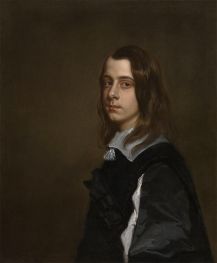
Giclée Canvas Print
$79.26
$79.26
SKU: 19820-LEP
Sir Peter Lely
Original Size:76.2 x 63.5 cm
Groeninge Museum, Bruges, Belgium
Sir Peter Lely
Original Size:76.2 x 63.5 cm
Groeninge Museum, Bruges, Belgium
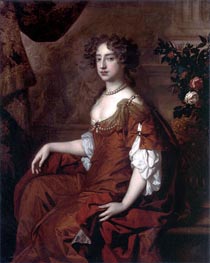
Giclée Canvas Print
$77.87
$77.87
SKU: 3994-LEP
Sir Peter Lely
Original Size:125.4 x 102 cm
National Portrait Gallery, London, UK
Sir Peter Lely
Original Size:125.4 x 102 cm
National Portrait Gallery, London, UK
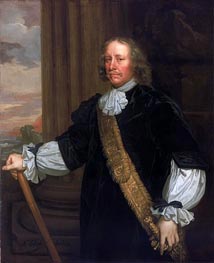
Giclée Canvas Print
$78.39
$78.39
SKU: 3988-LEP
Sir Peter Lely
Original Size:127 x 101.5 cm
Maritime Art Museum, Greenwich, UK
Sir Peter Lely
Original Size:127 x 101.5 cm
Maritime Art Museum, Greenwich, UK
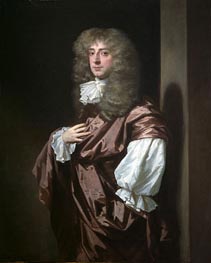
Giclée Canvas Print
$77.00
$77.00
SKU: 3990-LEP
Sir Peter Lely
Original Size:125 x 102.2 cm
Courtauld Institute of Art, London, UK
Sir Peter Lely
Original Size:125 x 102.2 cm
Courtauld Institute of Art, London, UK
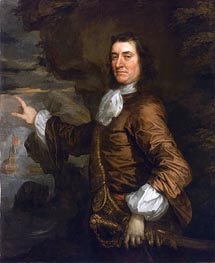
Giclée Canvas Print
$77.87
$77.87
SKU: 3987-LEP
Sir Peter Lely
Original Size:127 x 101.5 cm
Maritime Art Museum, Greenwich, UK
Sir Peter Lely
Original Size:127 x 101.5 cm
Maritime Art Museum, Greenwich, UK
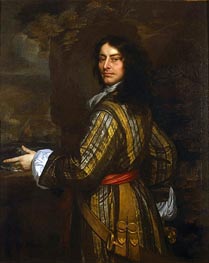
Giclée Canvas Print
$77.00
$77.00
SKU: 3986-LEP
Sir Peter Lely
Original Size:127 x 101.5 cm
Maritime Art Museum, Greenwich, UK
Sir Peter Lely
Original Size:127 x 101.5 cm
Maritime Art Museum, Greenwich, UK
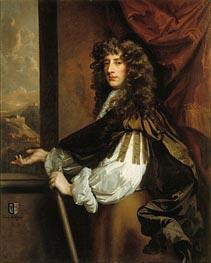
Giclée Canvas Print
$77.17
$77.17
SKU: 3983-LEP
Sir Peter Lely
Original Size:126 x 103 cm
Victoria and Albert Museum, London, UK
Sir Peter Lely
Original Size:126 x 103 cm
Victoria and Albert Museum, London, UK
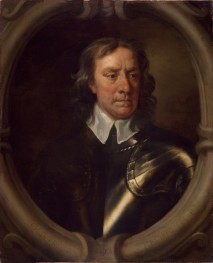
Giclée Canvas Print
$78.04
$78.04
SKU: 22780-LEP
Sir Peter Lely
Original Size:76.2 x 63 cm
Museum and Art Gallery, Birmingham, UK
Sir Peter Lely
Original Size:76.2 x 63 cm
Museum and Art Gallery, Birmingham, UK
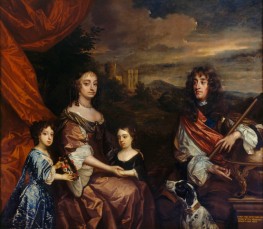
Giclée Canvas Print
$83.62
$83.62
SKU: 22805-LEP
Sir Peter Lely
Original Size:168.6 x 194 cm
The Royal Collection, London, UK
Sir Peter Lely
Original Size:168.6 x 194 cm
The Royal Collection, London, UK
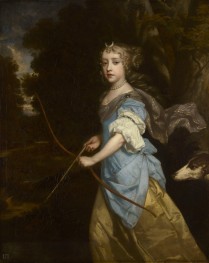
Giclée Canvas Print
$76.47
$76.47
SKU: 22806-LEP
Sir Peter Lely
Original Size:123.2 x 98.3 cm
The Royal Collection, London, UK
Sir Peter Lely
Original Size:123.2 x 98.3 cm
The Royal Collection, London, UK
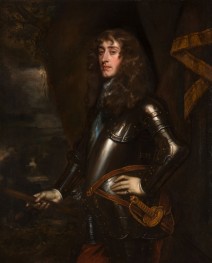
Giclée Canvas Print
$77.51
$77.51
SKU: 22802-LEP
Sir Peter Lely
Original Size:126.1 x 102.3 cm
The Royal Collection, London, UK
Sir Peter Lely
Original Size:126.1 x 102.3 cm
The Royal Collection, London, UK
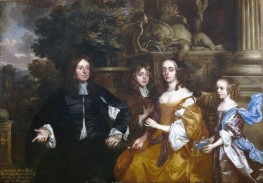
Giclée Canvas Print
$66.89
$66.89
SKU: 22810-LEP
Sir Peter Lely
Original Size:unknown
Manchester Art Gallery, Manchester, UK
Sir Peter Lely
Original Size:unknown
Manchester Art Gallery, Manchester, UK
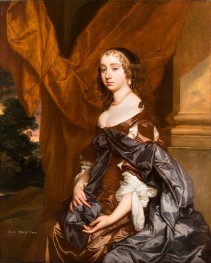
Giclée Canvas Print
$77.17
$77.17
SKU: 22812-LEP
Sir Peter Lely
Original Size:127 x 102.8 cm
Public Collection
Sir Peter Lely
Original Size:127 x 102.8 cm
Public Collection
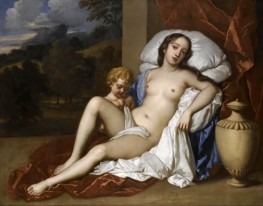
Giclée Canvas Print
$75.25
$75.25
SKU: 22753-LEP
Sir Peter Lely
Original Size:123.8 x 156.8 cm
Private Collection
Sir Peter Lely
Original Size:123.8 x 156.8 cm
Private Collection
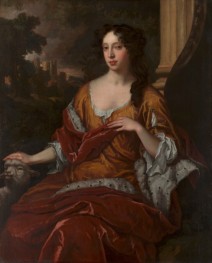
Giclée Canvas Print
$77.70
$77.70
SKU: 22803-LEP
Sir Peter Lely
Original Size:126.1 x 103.1 cm
The Royal Collection, London, UK
Sir Peter Lely
Original Size:126.1 x 103.1 cm
The Royal Collection, London, UK
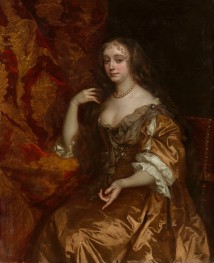
Giclée Canvas Print
$78.39
$78.39
SKU: 22801-LEP
Sir Peter Lely
Original Size:125.7 x 103.1 cm
The Royal Collection, London, UK
Sir Peter Lely
Original Size:125.7 x 103.1 cm
The Royal Collection, London, UK
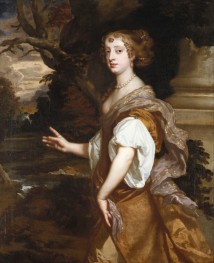
Giclée Canvas Print
$78.04
$78.04
SKU: 22796-LEP
Sir Peter Lely
Original Size:125.9 x 103 cm
The Royal Collection, London, UK
Sir Peter Lely
Original Size:125.9 x 103 cm
The Royal Collection, London, UK
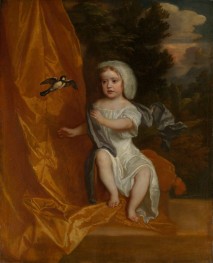
Giclée Canvas Print
$78.04
$78.04
SKU: 22800-LEP
Sir Peter Lely
Original Size:126.7 x 102.6 cm
The Royal Collection, London, UK
Sir Peter Lely
Original Size:126.7 x 102.6 cm
The Royal Collection, London, UK
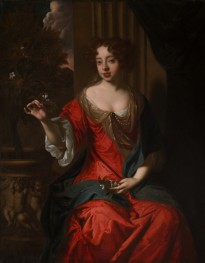
Giclée Canvas Print
$74.74
$74.74
SKU: 22809-LEP
Sir Peter Lely
Original Size:127 x 101.6 cm
Carnegie Museum of Art, Pittsburgh, USA
Sir Peter Lely
Original Size:127 x 101.6 cm
Carnegie Museum of Art, Pittsburgh, USA
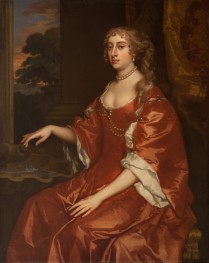
Giclée Canvas Print
$76.13
$76.13
SKU: 22808-LEP
Sir Peter Lely
Original Size:123.2 x 100.3 cm
Carnegie Museum of Art, Pittsburgh, USA
Sir Peter Lely
Original Size:123.2 x 100.3 cm
Carnegie Museum of Art, Pittsburgh, USA
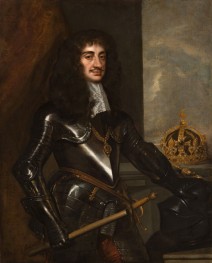
Giclée Canvas Print
$77.51
$77.51
SKU: 22804-LEP
Sir Peter Lely
Original Size:122.2 x 99.1 cm
The Royal Collection, London, UK
Sir Peter Lely
Original Size:122.2 x 99.1 cm
The Royal Collection, London, UK
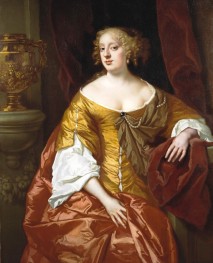
Giclée Canvas Print
$78.04
$78.04
SKU: 22797-LEP
Sir Peter Lely
Original Size:124.9 x 101.8 cm
The Royal Collection, London, UK
Sir Peter Lely
Original Size:124.9 x 101.8 cm
The Royal Collection, London, UK
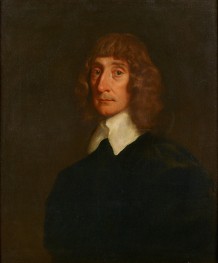
Giclée Canvas Print
$79.60
$79.60
SKU: 22807-LEP
Sir Peter Lely
Original Size:74 x 62 cm
Ashmolean Museum, Oxford, UK
Sir Peter Lely
Original Size:74 x 62 cm
Ashmolean Museum, Oxford, UK
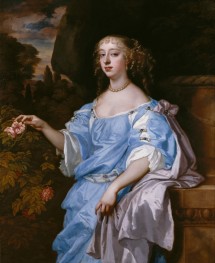
Giclée Canvas Print
$78.57
$78.57
SKU: 22794-LEP
Sir Peter Lely
Original Size:124.4 x 101.4 cm
The Royal Collection, London, UK
Sir Peter Lely
Original Size:124.4 x 101.4 cm
The Royal Collection, London, UK