
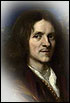
Jan Lievens Giclée Fine Art Prints 1 of 3
1607-1674
Dutch Baroque Painter
A boy of twelve, setting up as an independent master in a university town crowded with older, hungrier men. It reads like invention, and yet the Leiden archives hold their ground. Jan Lievens (24 October 1607 - 4 June 1674) was a Dutch Golden Age painter of histories, portraits and character heads, whose precocity made him famous before he could grow a beard and whose restless later career carried him further across Europe than almost any of his countrymen.
Leiden in the 1610s was a cloth city with a young university and a growing appetite for pictures. His father, Lieven Hendricx, worked as an embroiderer, a trade of fine stitches and patient eyes, and it was among such handwork that the boy learned to look closely. At eight he entered the studio of the Leiden painter Joris van Schooten, who gave him the rudiments of drawing. Two years later he was sent to Amsterdam, to Pieter Lastman, the leading history painter of the day and shortly to be Rembrandt's teacher as well. Lastman's lessons in gesture, costume and biblical incident took hold quickly. By about twelve, Lievens was home again and working on his own account.
What followed was a small sensation. A copy after Cornelis van Haarlem's Democritus and Heraclitus passed among Leiden connoisseurs, as did a portrait of his mother, Machtelt Jans van Noortsant, painted with a directness rare in one so young. Word travelled upward. Around 1620 Maurice of Nassau, Prince of Orange, bought a life-size canvas of a young man reading by the light of a turf fire, a whole picture organised around one low, unsteady source, the flesh warmed to amber, the chiaroscuro left to do the composing. The prince passed it to the English ambassador, who presented it to James I. That gift became, in time, an invitation. In 1631, aged twenty-four, Lievens was called to the English court.
Handle this chronology with care. Most of it descends from Jan Orlers' Beschrijvinge der Stad Leyden of 1641, repeated a century later by Arnold Houbraken, and the documents do not entirely agree. In the J. Paul Getty Museum hangs a Lievens portrait of Prince Charles Louis with his tutor, signed and dated 1631, and certainly painted in Leiden. Either the crossing came later than the old accounts allow, or the painter kept a schedule no biographer has convincingly reconstructed. Such small frictions are where art history actually happens.
Before England there was Rembrandt. From about 1626 until 1631 the two shared a studio in Leiden, and their competition produced some two dozen paintings, drawings and etchings so entangled that attribution is argued over still. Same models, same props, same hoarded scraps of oriental silk. Lievens painted large while Rembrandt still preferred the small panel, and his lighting, abrupt and theatrical, carries the tenebrism of the Utrecht Caravaggisti such as Honthorst, ter Brugghen and Baburen, who had brought the Italian night back over the Alps. Constantijn Huygens, secretary to the stadtholder and the shrewdest critic of the age, weighed Jan Lievens against Rembrandt and concluded that the one had the greater invention, the other the deeper feeling. That verdict has trailed him for three and a half centuries. Rembrandt, for his part, still owned pictures by his old rival in 1656, when his goods were inventoried in bankruptcy.
Look at King Saladin Holding King Guy de Lusignan Captive, painted in 1625, when he was eighteen. Into a crusader subject Lievens transplants a passage lifted from Rubens's Adoration of the Magi and resets it in wholly foreign company. Borrowing, in the seventeenth century, was a form of argument, and this is an eighteen-year-old arguing with Rubens. Perhaps the fluency that made him a prodigy also spared him the slow, grinding self-interrogation that turned Rembrandt into Rembrandt. Ease has its price.
England refined his hand. Working for Thomas Howard, 21st Earl of Arundel, the most discriminating collector in the kingdom, he absorbed the silken address of Anthony van Dyck, and a certain aristocratic looseness never afterwards left him. Returning by way of Calais, he settled in Antwerp, where on 23 December 1638 he married Suzanna Colyn de Nole, daughter of the sculptor Michiel Colyns. Flanders suited him. He worked alongside Adriaen Brouwer, whose smoky taverns and coarse peasant heads sat strangely beside his own grand manner and did it a great deal of good.
Commissions came steadily from princes, burgomasters and town halls. A Continence of Scipio went to the Leiden city hall; court appointments followed at The Hague and in Berlin, at the Brandenburg court. Suzanna died, and in 1648 he married a sister of the Haarlem painter Jan de Bray. By 1655 he had settled again in Amsterdam. The Allegory of Peace of 1654 shows the register of his maturity: Peace enthroned and crowned by an armoured woman, War trampled beneath her feet, the argument set out with civic clarity rather than private feeling.
His grandest public work came in 1661, for the new town hall on the Dam, today the Royal Palace of Amsterdam. Over a chimneypiece in the burgomasters' chamber he placed Brinno raised on a shield by the Cananefates, an episode of the Batavian revolt that Otto van Veen had treated in 1613 and that Amsterdam's regents read as a flattering mirror of their own republic. Joost van den Vondel wrote a poem in its honour. The painting is still there.
Then the ground gave way. After 1672, the Rampjaar, when French armies poured into the Republic and the market for pictures vanished overnight, Lievens fell into debts he could not clear, and when he died in Amsterdam in June 1674 his family renounced the inheritance rather than shoulder them. For most of the next three centuries he was filed as a footnote to a greater name, and many of his canvases were quietly reassigned to Rembrandt, Brouwer or van Dyck. That has changed. The exhibition Jan Lievens: A Dutch Master Rediscovered, shown at the National Gallery of Art in Washington in 2008 and afterwards at the Milwaukee Art Museum and Het Rembrandthuis in Amsterdam, gathered some forty-five paintings and made the case plainly: here was an artist of unusual range who paid for that range with his reputation. We prize consistency now, a signature style, a recognisable brand. Lievens offers the opposite, and his best pictures, lit from a single flame and laid on with a loaded brush and blunt impasto, repay the attention his own century gave him and ours has been slow to return.
Leiden in the 1610s was a cloth city with a young university and a growing appetite for pictures. His father, Lieven Hendricx, worked as an embroiderer, a trade of fine stitches and patient eyes, and it was among such handwork that the boy learned to look closely. At eight he entered the studio of the Leiden painter Joris van Schooten, who gave him the rudiments of drawing. Two years later he was sent to Amsterdam, to Pieter Lastman, the leading history painter of the day and shortly to be Rembrandt's teacher as well. Lastman's lessons in gesture, costume and biblical incident took hold quickly. By about twelve, Lievens was home again and working on his own account.
What followed was a small sensation. A copy after Cornelis van Haarlem's Democritus and Heraclitus passed among Leiden connoisseurs, as did a portrait of his mother, Machtelt Jans van Noortsant, painted with a directness rare in one so young. Word travelled upward. Around 1620 Maurice of Nassau, Prince of Orange, bought a life-size canvas of a young man reading by the light of a turf fire, a whole picture organised around one low, unsteady source, the flesh warmed to amber, the chiaroscuro left to do the composing. The prince passed it to the English ambassador, who presented it to James I. That gift became, in time, an invitation. In 1631, aged twenty-four, Lievens was called to the English court.
Handle this chronology with care. Most of it descends from Jan Orlers' Beschrijvinge der Stad Leyden of 1641, repeated a century later by Arnold Houbraken, and the documents do not entirely agree. In the J. Paul Getty Museum hangs a Lievens portrait of Prince Charles Louis with his tutor, signed and dated 1631, and certainly painted in Leiden. Either the crossing came later than the old accounts allow, or the painter kept a schedule no biographer has convincingly reconstructed. Such small frictions are where art history actually happens.
Before England there was Rembrandt. From about 1626 until 1631 the two shared a studio in Leiden, and their competition produced some two dozen paintings, drawings and etchings so entangled that attribution is argued over still. Same models, same props, same hoarded scraps of oriental silk. Lievens painted large while Rembrandt still preferred the small panel, and his lighting, abrupt and theatrical, carries the tenebrism of the Utrecht Caravaggisti such as Honthorst, ter Brugghen and Baburen, who had brought the Italian night back over the Alps. Constantijn Huygens, secretary to the stadtholder and the shrewdest critic of the age, weighed Jan Lievens against Rembrandt and concluded that the one had the greater invention, the other the deeper feeling. That verdict has trailed him for three and a half centuries. Rembrandt, for his part, still owned pictures by his old rival in 1656, when his goods were inventoried in bankruptcy.
Look at King Saladin Holding King Guy de Lusignan Captive, painted in 1625, when he was eighteen. Into a crusader subject Lievens transplants a passage lifted from Rubens's Adoration of the Magi and resets it in wholly foreign company. Borrowing, in the seventeenth century, was a form of argument, and this is an eighteen-year-old arguing with Rubens. Perhaps the fluency that made him a prodigy also spared him the slow, grinding self-interrogation that turned Rembrandt into Rembrandt. Ease has its price.
England refined his hand. Working for Thomas Howard, 21st Earl of Arundel, the most discriminating collector in the kingdom, he absorbed the silken address of Anthony van Dyck, and a certain aristocratic looseness never afterwards left him. Returning by way of Calais, he settled in Antwerp, where on 23 December 1638 he married Suzanna Colyn de Nole, daughter of the sculptor Michiel Colyns. Flanders suited him. He worked alongside Adriaen Brouwer, whose smoky taverns and coarse peasant heads sat strangely beside his own grand manner and did it a great deal of good.
Commissions came steadily from princes, burgomasters and town halls. A Continence of Scipio went to the Leiden city hall; court appointments followed at The Hague and in Berlin, at the Brandenburg court. Suzanna died, and in 1648 he married a sister of the Haarlem painter Jan de Bray. By 1655 he had settled again in Amsterdam. The Allegory of Peace of 1654 shows the register of his maturity: Peace enthroned and crowned by an armoured woman, War trampled beneath her feet, the argument set out with civic clarity rather than private feeling.
His grandest public work came in 1661, for the new town hall on the Dam, today the Royal Palace of Amsterdam. Over a chimneypiece in the burgomasters' chamber he placed Brinno raised on a shield by the Cananefates, an episode of the Batavian revolt that Otto van Veen had treated in 1613 and that Amsterdam's regents read as a flattering mirror of their own republic. Joost van den Vondel wrote a poem in its honour. The painting is still there.
Then the ground gave way. After 1672, the Rampjaar, when French armies poured into the Republic and the market for pictures vanished overnight, Lievens fell into debts he could not clear, and when he died in Amsterdam in June 1674 his family renounced the inheritance rather than shoulder them. For most of the next three centuries he was filed as a footnote to a greater name, and many of his canvases were quietly reassigned to Rembrandt, Brouwer or van Dyck. That has changed. The exhibition Jan Lievens: A Dutch Master Rediscovered, shown at the National Gallery of Art in Washington in 2008 and afterwards at the Milwaukee Art Museum and Het Rembrandthuis in Amsterdam, gathered some forty-five paintings and made the case plainly: here was an artist of unusual range who paid for that range with his reputation. We prize consistency now, a signature style, a recognisable brand. Lievens offers the opposite, and his best pictures, lit from a single flame and laid on with a loaded brush and blunt impasto, repay the attention his own century gave him and ours has been slow to return.
68 Jan Lievens Artworks
Page 1 of 3
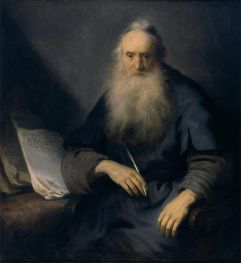
Giclée Canvas Print
$88.83
$88.83
SKU: 19876-LJA
Jan Lievens
Original Size:unknown
Kunsthalle, Bremen, Germany
Jan Lievens
Original Size:unknown
Kunsthalle, Bremen, Germany
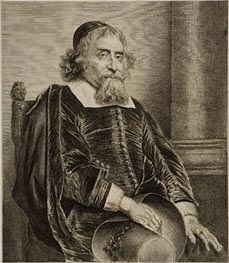
Giclée Paper Art Print
$60.45
$60.45
SKU: 6803-LJA
Jan Lievens
Original Size:unknown
Fogg Art Museum at Harvard University, Massachusetts, USA
Jan Lievens
Original Size:unknown
Fogg Art Museum at Harvard University, Massachusetts, USA
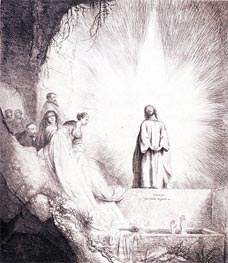
Giclée Paper Art Print
$60.45
$60.45
SKU: 6812-LJA
Jan Lievens
Original Size:35.6 x 31.3 cm
Fine Arts Museums of San Francisco, California, USA
Jan Lievens
Original Size:35.6 x 31.3 cm
Fine Arts Museums of San Francisco, California, USA
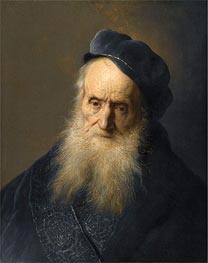
Giclée Canvas Print
$65.73
$65.73
SKU: 6795-LJA
Jan Lievens
Original Size:60.1 x 47.8 cm
Private Collection
Jan Lievens
Original Size:60.1 x 47.8 cm
Private Collection
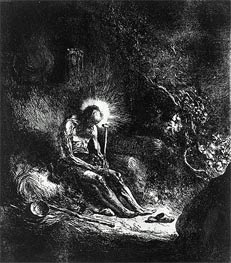
Giclée Paper Art Print
$60.45
$60.45
SKU: 6805-LJA
Jan Lievens
Original Size:32.3 x 27.1 cm
Boston Museum of Fine Arts, Massachusetts, USA
Jan Lievens
Original Size:32.3 x 27.1 cm
Boston Museum of Fine Arts, Massachusetts, USA
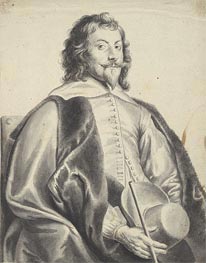
Giclée Paper Art Print
$60.45
$60.45
SKU: 6800-LJA
Jan Lievens
Original Size:29.1 x 20.1 cm
Fogg Art Museum at Harvard University, Massachusetts, USA
Jan Lievens
Original Size:29.1 x 20.1 cm
Fogg Art Museum at Harvard University, Massachusetts, USA
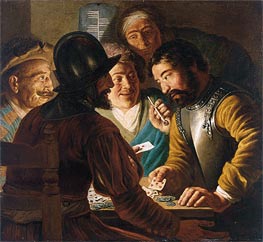
Giclée Canvas Print
$109.64
$109.64
SKU: 6794-LJA
Jan Lievens
Original Size:97.6 x 105.6 cm
Private Collection
Jan Lievens
Original Size:97.6 x 105.6 cm
Private Collection
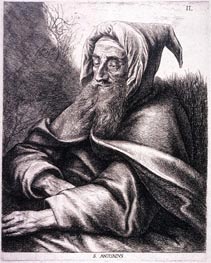
Giclée Paper Art Print
$60.45
$60.45
SKU: 6813-LJA
Jan Lievens
Original Size:25.9 x 20.4 cm
Fine Arts Museums of San Francisco, California, USA
Jan Lievens
Original Size:25.9 x 20.4 cm
Fine Arts Museums of San Francisco, California, USA
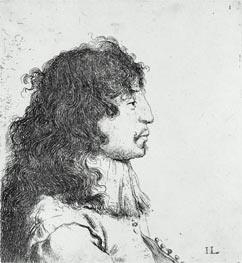
Giclée Paper Art Print
$60.45
$60.45
SKU: 6806-LJA
Jan Lievens
Original Size:16.2 x 14 cm
Boston Museum of Fine Arts, Massachusetts, USA
Jan Lievens
Original Size:16.2 x 14 cm
Boston Museum of Fine Arts, Massachusetts, USA
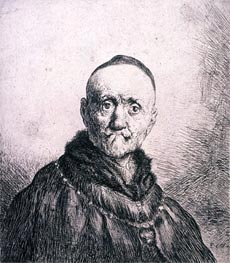
Giclée Paper Art Print
$60.45
$60.45
SKU: 6811-LJA
Jan Lievens
Original Size:16.4 x 14.3 cm
Fine Arts Museums of San Francisco, California, USA
Jan Lievens
Original Size:16.4 x 14.3 cm
Fine Arts Museums of San Francisco, California, USA
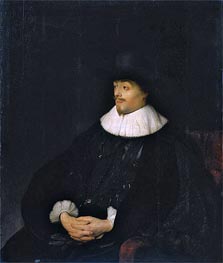
Giclée Canvas Print
$81.09
$81.09
SKU: 6788-LJA
Jan Lievens
Original Size:99 x 84 cm
Rijksmuseum, Amsterdam, Netherlands
Jan Lievens
Original Size:99 x 84 cm
Rijksmuseum, Amsterdam, Netherlands
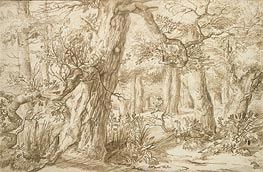
Giclée Paper Art Print
$60.45
$60.45
SKU: 6796-LJA
Jan Lievens
Original Size:24 x 36.2 cm
Fogg Art Museum at Harvard University, Massachusetts, USA
Jan Lievens
Original Size:24 x 36.2 cm
Fogg Art Museum at Harvard University, Massachusetts, USA
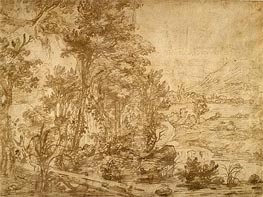
Giclée Paper Art Print
$62.88
$62.88
SKU: 6801-LJA
Jan Lievens
Original Size:39.7 x 52.3 cm
Fogg Art Museum at Harvard University, Massachusetts, USA
Jan Lievens
Original Size:39.7 x 52.3 cm
Fogg Art Museum at Harvard University, Massachusetts, USA
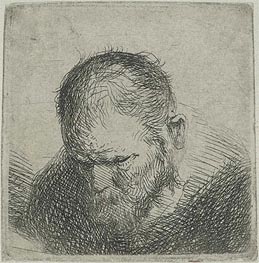
Giclée Paper Art Print
$60.45
$60.45
SKU: 6808-LJA
Jan Lievens
Original Size:4.5 x 4.5 cm
Boston Museum of Fine Arts, Massachusetts, USA
Jan Lievens
Original Size:4.5 x 4.5 cm
Boston Museum of Fine Arts, Massachusetts, USA
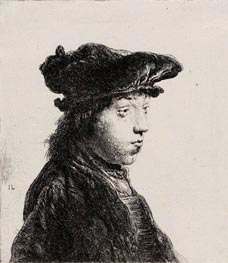
Giclée Paper Art Print
$60.45
$60.45
SKU: 6807-LJA
Jan Lievens
Original Size:unknown
Boston Museum of Fine Arts, Massachusetts, USA
Jan Lievens
Original Size:unknown
Boston Museum of Fine Arts, Massachusetts, USA
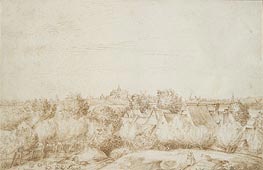
Giclée Paper Art Print
$60.45
$60.45
SKU: 6797-LJA
Jan Lievens
Original Size:23.3 x 35.7 cm
Fogg Art Museum at Harvard University, Massachusetts, USA
Jan Lievens
Original Size:23.3 x 35.7 cm
Fogg Art Museum at Harvard University, Massachusetts, USA
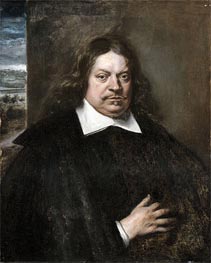
Giclée Canvas Print
$77.39
$77.39
SKU: 6791-LJA
Jan Lievens
Original Size:80.6 x 64.4 cm
Fogg Art Museum at Harvard University, Massachusetts, USA
Jan Lievens
Original Size:80.6 x 64.4 cm
Fogg Art Museum at Harvard University, Massachusetts, USA
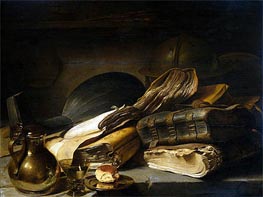
Giclée Canvas Print
$73.88
$73.88
SKU: 6786-LJA
Jan Lievens
Original Size:91 x 120 cm
Rijksmuseum, Amsterdam, Netherlands
Jan Lievens
Original Size:91 x 120 cm
Rijksmuseum, Amsterdam, Netherlands
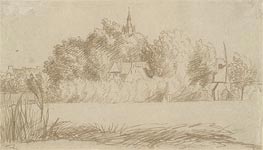
Giclée Paper Art Print
$60.45
$60.45
SKU: 6802-LJA
Jan Lievens
Original Size:17.5 x 30.6 cm
Fogg Art Museum at Harvard University, Massachusetts, USA
Jan Lievens
Original Size:17.5 x 30.6 cm
Fogg Art Museum at Harvard University, Massachusetts, USA
Giclée Paper Art Print
$60.45
$60.45
SKU: 6799-LJA
Jan Lievens
Original Size:22.3 x 37 cm
Fogg Art Museum at Harvard University, Massachusetts, USA
Jan Lievens
Original Size:22.3 x 37 cm
Fogg Art Museum at Harvard University, Massachusetts, USA
Giclée Paper Art Print
$60.45
$60.45
SKU: 6809-LJA
Jan Lievens
Original Size:16.2 x 14.5 cm
Fine Arts Museums of San Francisco, California, USA
Jan Lievens
Original Size:16.2 x 14.5 cm
Fine Arts Museums of San Francisco, California, USA
Giclée Paper Art Print
$60.45
$60.45
SKU: 6798-LJA
Jan Lievens
Original Size:22 x 35.6 cm
Fogg Art Museum at Harvard University, Massachusetts, USA
Jan Lievens
Original Size:22 x 35.6 cm
Fogg Art Museum at Harvard University, Massachusetts, USA
Giclée Canvas Print
$85.84
$85.84
SKU: 6790-LJA
Jan Lievens
Original Size:78 x 68 cm
Rijksmuseum, Amsterdam, Netherlands
Jan Lievens
Original Size:78 x 68 cm
Rijksmuseum, Amsterdam, Netherlands
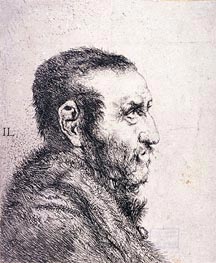
Giclée Paper Art Print
$60.45
$60.45
SKU: 6810-LJA
Jan Lievens
Original Size:14.1 x 11.7 cm
Fine Arts Museums of San Francisco, California, USA
Jan Lievens
Original Size:14.1 x 11.7 cm
Fine Arts Museums of San Francisco, California, USA