
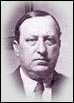
Andre Derain Giclée Fine Art Prints 1 of 5
1880-1954
French Fauvist Painter
In the summer of 1905, on the sun-drenched Mediterranean coast at Collioure, a young Frenchman laid down pigment in colours so violent and unmodulated that the Parisian art world would soon recoil in genuine shock. André Derain, born on 10 June 1880 in Chatou, a modest commune in the Yvelines just west of Paris, and who died on 8 September 1954 in Garches, Hauts-de-Seine, was a painter, sculptor, illustrator, and stage designer whose restless trajectory through the art of the twentieth century - from incendiary Fauvism to sober neoclassicism - remains one of the most fascinatingly conflicted careers in modern French art.
Chatou sits along the Seine in the Ile-de-France, the same stretch of river that had drawn the Impressionists a generation earlier. Derain began painting independently around 1895, well before any fateful encounter with fellow artists, sometimes venturing into the countryside with Father Jacomin, an old associate of Paul Cezanne. By 1898, enrolled at the Academie Camillo to study engineering, he was simultaneously attending painting classes in the atelier of Eugene Carriere. It was there he first met Henri Matisse, a meeting that would reshape both their lives. Two years later, he encountered Maurice de Vlaminck, and the pair shared a studio, painting the banks and bridges around Chatou with a vigour that already hinted at what was to come. Military service intervened. Stationed at Commercy from 1901 to 1904, Derain could do little more than wait. Upon his discharge, Matisse personally persuaded Derain's parents to let their son abandon engineering for art. He enrolled at the Academie Julian, and the path was set.
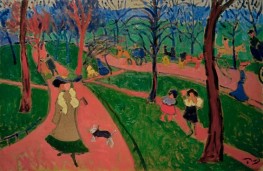
Working alongside Matisse during that pivotal summer at Collioure, Derain completed paintings such as Mountains at Collioure - canvases in which colour functions not as description but as pure sensation. Broad, unblended strokes of vermilion, cobalt, and emerald sit in jarring adjacency, refusing the polite harmonies of Impressionism. When these works were shown at the Salon d'Automne later that year, the critic Louis Vauxcelles famously dismissed the room as a cage of wild beasts - les Fauves. The label stuck, and Fauvism was born, with Derain and Matisse as its co-founders.
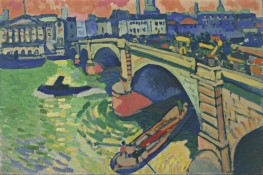
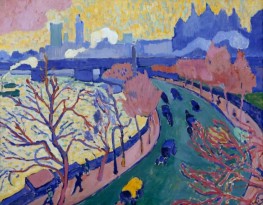
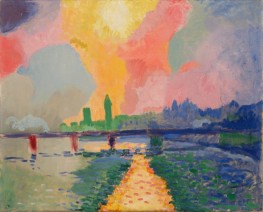
Recognition arrived swiftly. In March 1906, the dealer Ambroise Vollard dispatched Derain to London with a specific commission: paint the city. Over the following weeks, Derain produced some thirty canvases - views of the Thames, of Tower Bridge, of Charing Cross Bridge - that render London in a palette no previous artist had dared apply to its grey skies. In works like Charing Cross Bridge, London, now held by the National Gallery of Art in Washington, D.C., we see the river fragmented into mosaics of separated colour, a technique drawing on Divisionism yet unmistakably personal. The art critic T. G. Rosenthal observed that not since Monet had anyone made London appear so fresh while remaining so essentially English. These London paintings endure as some of Derain's most sought-after works.
Financial stability followed in 1907, when the dealer Daniel-Henry Kahnweiler purchased the contents of Derain's entire studio. Newly solvent, he moved to Montmartre, joining a circle that included Pablo Picasso, with whom he formed a close friendship. Fernande Olivier, Picasso's companion at the time, recalled Derain as slim and elegant, with an English chic - fancy waistcoats, crudely coloured ties, perpetually a pipe in his mouth. Perhaps this dandyism masked a restless intellect. Already the Fauvist fire was cooling. Under the gravitational pull of Cezanne and the spatial investigations of early Cubism, his palette grew darker, his compositions more structured. According to Gertrude Stein, Derain may even have engaged with African sculpture before Picasso did - a claim that, if true, repositions him as an even more significant catalyst in the development of modernist form.
Between 1909 and 1913, Derain's activity ranged across media and borders. He produced primitivist woodcuts for Guillaume Apollinaire's first prose work, L'enchanteur pourrissant, and illustrated poems by Max Jacob. His paintings were exhibited at the Neue Kunstlervereinigung in Munich in 1910, at the secessionist Der Blaue Reiter show in 1912, and at the landmark Armory Show in New York in 1913 - three venues that, taken together, chart the international reach of the European avant-garde. Yet even as he circulated among radical movements, Derain's own work was turning toward something quieter. Colour receded; forms hardened. The years between 1911 and 1914 are sometimes called his gothic period, a phrase that captures the austerity and deliberation that had replaced Fauvist spontaneity.
The First World War halted everything. Mobilised in 1914, Derain served until 1919 and had almost no opportunity to paint, though he managed to produce illustrations for Andre Breton's debut publication, Mont de Piete, in 1916. After demobilisation, he emerged into a changed art world - one that craved order after catastrophe. Derain became a leading figure in the Return to Order, the broad neoclassical tendency that swept European art in the 1920s. Gone were the wild beasts; in their place stood an artist admired as a guardian of tradition. In 1919, he designed sets and costumes for La Boutique fantasque, staged by Sergei Diaghilev's Ballets Russes, a success that led to numerous further collaborations with the theatre. The 1920s brought the Carnegie Prize in 1928 for his painting Still-life with Dead Game, and major exhibitions in London, Berlin, Frankfurt, Dusseldorf, New York, and Cincinnati.
Darker years followed. During the German occupation of France in the Second World War, Derain remained in Paris, where his stature as a symbol of French cultural prestige made him a target for Nazi courtship. In 1941, he accepted an invitation to visit Germany, travelling to Berlin with other French artists to attend an exhibition of the officially sanctioned sculptor Arno Breker. It was a catastrophic misjudgement. Nazi propagandists exploited his presence, and after the Liberation, Derain was branded a collaborator. Many former friends and supporters turned away. The ostracism clouded his final decade. A year before his death, he contracted a severe eye infection from which he never fully recovered. On 8 September 1954, he was struck by a vehicle in Garches and died.
Derain's reputation has fluctuated more dramatically than that of almost any major twentieth-century painter. For decades after the war, the taint of collaboration overshadowed serious assessment of his achievement. Yet the work itself resists easy dismissal. The London paintings alone - subjects of a major exhibition at the Courtauld Institute in 2005-2006 - demonstrate a sensibility capable of fusing radical colour theory with deep pictorial intelligence. A 2023 exhibition co-organised by the Metropolitan Museum of Art and the Museum of Fine Arts, Houston, titled Vertigo of Color: Matisse, Derain, and the Origins of Fauvism, returned fresh attention to those explosive early years. In 2025, all of Andre Derain's works entered the public domain in the United States, opening a new chapter of access and reappraisal. His career reminds us that artistic identity is seldom a single, stable thing. It shifts, contradicts itself, courts disaster. What remains, on the canvas, is the evidence of a mind perpetually in negotiation between freedom and discipline, between colour unbound and form restored.
Chatou sits along the Seine in the Ile-de-France, the same stretch of river that had drawn the Impressionists a generation earlier. Derain began painting independently around 1895, well before any fateful encounter with fellow artists, sometimes venturing into the countryside with Father Jacomin, an old associate of Paul Cezanne. By 1898, enrolled at the Academie Camillo to study engineering, he was simultaneously attending painting classes in the atelier of Eugene Carriere. It was there he first met Henri Matisse, a meeting that would reshape both their lives. Two years later, he encountered Maurice de Vlaminck, and the pair shared a studio, painting the banks and bridges around Chatou with a vigour that already hinted at what was to come. Military service intervened. Stationed at Commercy from 1901 to 1904, Derain could do little more than wait. Upon his discharge, Matisse personally persuaded Derain's parents to let their son abandon engineering for art. He enrolled at the Academie Julian, and the path was set.
Working alongside Matisse during that pivotal summer at Collioure, Derain completed paintings such as Mountains at Collioure - canvases in which colour functions not as description but as pure sensation. Broad, unblended strokes of vermilion, cobalt, and emerald sit in jarring adjacency, refusing the polite harmonies of Impressionism. When these works were shown at the Salon d'Automne later that year, the critic Louis Vauxcelles famously dismissed the room as a cage of wild beasts - les Fauves. The label stuck, and Fauvism was born, with Derain and Matisse as its co-founders.
Recognition arrived swiftly. In March 1906, the dealer Ambroise Vollard dispatched Derain to London with a specific commission: paint the city. Over the following weeks, Derain produced some thirty canvases - views of the Thames, of Tower Bridge, of Charing Cross Bridge - that render London in a palette no previous artist had dared apply to its grey skies. In works like Charing Cross Bridge, London, now held by the National Gallery of Art in Washington, D.C., we see the river fragmented into mosaics of separated colour, a technique drawing on Divisionism yet unmistakably personal. The art critic T. G. Rosenthal observed that not since Monet had anyone made London appear so fresh while remaining so essentially English. These London paintings endure as some of Derain's most sought-after works.
Financial stability followed in 1907, when the dealer Daniel-Henry Kahnweiler purchased the contents of Derain's entire studio. Newly solvent, he moved to Montmartre, joining a circle that included Pablo Picasso, with whom he formed a close friendship. Fernande Olivier, Picasso's companion at the time, recalled Derain as slim and elegant, with an English chic - fancy waistcoats, crudely coloured ties, perpetually a pipe in his mouth. Perhaps this dandyism masked a restless intellect. Already the Fauvist fire was cooling. Under the gravitational pull of Cezanne and the spatial investigations of early Cubism, his palette grew darker, his compositions more structured. According to Gertrude Stein, Derain may even have engaged with African sculpture before Picasso did - a claim that, if true, repositions him as an even more significant catalyst in the development of modernist form.
Between 1909 and 1913, Derain's activity ranged across media and borders. He produced primitivist woodcuts for Guillaume Apollinaire's first prose work, L'enchanteur pourrissant, and illustrated poems by Max Jacob. His paintings were exhibited at the Neue Kunstlervereinigung in Munich in 1910, at the secessionist Der Blaue Reiter show in 1912, and at the landmark Armory Show in New York in 1913 - three venues that, taken together, chart the international reach of the European avant-garde. Yet even as he circulated among radical movements, Derain's own work was turning toward something quieter. Colour receded; forms hardened. The years between 1911 and 1914 are sometimes called his gothic period, a phrase that captures the austerity and deliberation that had replaced Fauvist spontaneity.
The First World War halted everything. Mobilised in 1914, Derain served until 1919 and had almost no opportunity to paint, though he managed to produce illustrations for Andre Breton's debut publication, Mont de Piete, in 1916. After demobilisation, he emerged into a changed art world - one that craved order after catastrophe. Derain became a leading figure in the Return to Order, the broad neoclassical tendency that swept European art in the 1920s. Gone were the wild beasts; in their place stood an artist admired as a guardian of tradition. In 1919, he designed sets and costumes for La Boutique fantasque, staged by Sergei Diaghilev's Ballets Russes, a success that led to numerous further collaborations with the theatre. The 1920s brought the Carnegie Prize in 1928 for his painting Still-life with Dead Game, and major exhibitions in London, Berlin, Frankfurt, Dusseldorf, New York, and Cincinnati.
Darker years followed. During the German occupation of France in the Second World War, Derain remained in Paris, where his stature as a symbol of French cultural prestige made him a target for Nazi courtship. In 1941, he accepted an invitation to visit Germany, travelling to Berlin with other French artists to attend an exhibition of the officially sanctioned sculptor Arno Breker. It was a catastrophic misjudgement. Nazi propagandists exploited his presence, and after the Liberation, Derain was branded a collaborator. Many former friends and supporters turned away. The ostracism clouded his final decade. A year before his death, he contracted a severe eye infection from which he never fully recovered. On 8 September 1954, he was struck by a vehicle in Garches and died.
Derain's reputation has fluctuated more dramatically than that of almost any major twentieth-century painter. For decades after the war, the taint of collaboration overshadowed serious assessment of his achievement. Yet the work itself resists easy dismissal. The London paintings alone - subjects of a major exhibition at the Courtauld Institute in 2005-2006 - demonstrate a sensibility capable of fusing radical colour theory with deep pictorial intelligence. A 2023 exhibition co-organised by the Metropolitan Museum of Art and the Museum of Fine Arts, Houston, titled Vertigo of Color: Matisse, Derain, and the Origins of Fauvism, returned fresh attention to those explosive early years. In 2025, all of Andre Derain's works entered the public domain in the United States, opening a new chapter of access and reappraisal. His career reminds us that artistic identity is seldom a single, stable thing. It shifts, contradicts itself, courts disaster. What remains, on the canvas, is the evidence of a mind perpetually in negotiation between freedom and discipline, between colour unbound and form restored.
103 André Derain Artworks
Page 1 of 5
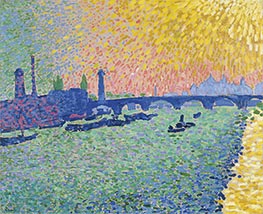
Giclée Canvas Print
$78.24
$78.24
SKU: 16996-DER
Andre Derain
Original Size:80.5 x 101 cm
Thyssen-Bornemisza Museum, Madrid, Spain
Andre Derain
Original Size:80.5 x 101 cm
Thyssen-Bornemisza Museum, Madrid, Spain
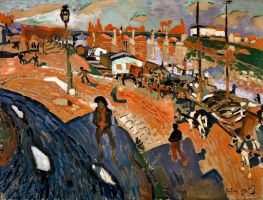
Giclée Canvas Print
$73.34
$73.34
SKU: 19703-DER
Andre Derain
Original Size:88.3 x 115.6 cm
Cincinnati Art Museum, Ohio, USA
Andre Derain
Original Size:88.3 x 115.6 cm
Cincinnati Art Museum, Ohio, USA
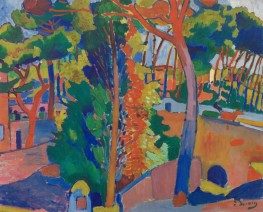
Giclée Canvas Print
$78.07
$78.07
SKU: 20857-DER
Andre Derain
Original Size:82.6 x 101.6 cm
Museum of Modern Art, New York, USA
Andre Derain
Original Size:82.6 x 101.6 cm
Museum of Modern Art, New York, USA
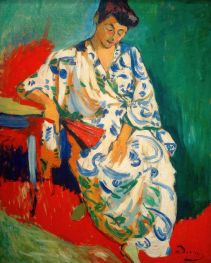
Giclée Canvas Print
$77.37
$77.37
SKU: 19939-DER
Andre Derain
Original Size:80.5 x 65 cm
Private Collection
Andre Derain
Original Size:80.5 x 65 cm
Private Collection
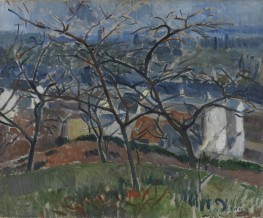
Giclée Canvas Print
$79.82
$79.82
SKU: 20771-DER
Andre Derain
Original Size:54.2 x 65.2 cm
Thyssen-Bornemisza Museum, Madrid, Spain
Andre Derain
Original Size:54.2 x 65.2 cm
Thyssen-Bornemisza Museum, Madrid, Spain
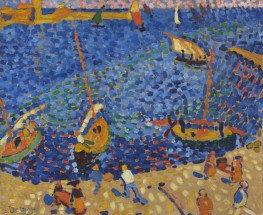
Giclée Canvas Print
$78.94
$78.94
SKU: 20824-DER
Andre Derain
Original Size:60 x 73.2 cm
Kunstsammlung NRW, Dusseldorf, Germany
Andre Derain
Original Size:60 x 73.2 cm
Kunstsammlung NRW, Dusseldorf, Germany
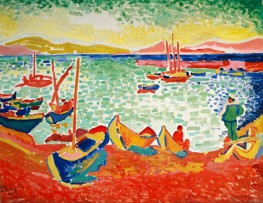
Giclée Canvas Print
$74.57
$74.57
SKU: 20818-DER
Andre Derain
Original Size:72 x 91 cm
Kunsthaus, Zurich, Switzerland
Andre Derain
Original Size:72 x 91 cm
Kunsthaus, Zurich, Switzerland
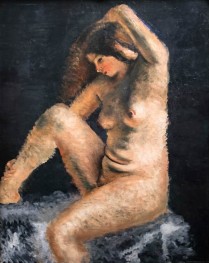
Giclée Canvas Print
$76.67
$76.67
SKU: 20767-DER
Andre Derain
Original Size:115 x 90 cm
Musee de l'Orangerie, Paris, France
Andre Derain
Original Size:115 x 90 cm
Musee de l'Orangerie, Paris, France
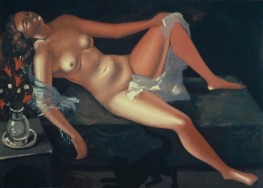
Giclée Canvas Print
$69.14
$69.14
SKU: 20833-DER
Andre Derain
Original Size:109 x 151 cm
Private Collection
Andre Derain
Original Size:109 x 151 cm
Private Collection
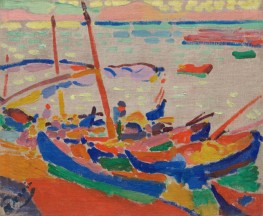
Giclée Canvas Print
$63.52
$63.52
SKU: 20858-DER
Andre Derain
Original Size:38 x 45.5 cm
Museum of Modern Art, New York, USA
Andre Derain
Original Size:38 x 45.5 cm
Museum of Modern Art, New York, USA
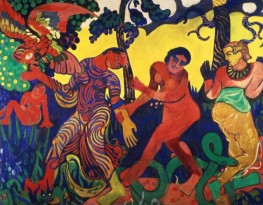
Giclée Canvas Print
$75.27
$75.27
SKU: 20851-DER
Andre Derain
Original Size:185 x 228 cm
Private Collection
Andre Derain
Original Size:185 x 228 cm
Private Collection
Giclée Canvas Print
$64.24
$64.24
SKU: 20860-DER
Andre Derain
Original Size:66 x 99 cm
Museum of Modern Art, New York, USA
Andre Derain
Original Size:66 x 99 cm
Museum of Modern Art, New York, USA
Giclée Canvas Print
$75.44
$75.44
SKU: 20770-DER
Andre Derain
Original Size:81 x 100 cm
Musee d'Orsay, Paris, France
Andre Derain
Original Size:81 x 100 cm
Musee d'Orsay, Paris, France
Giclée Paper Art Print
$68.68
$68.68
SKU: 20780-DER
Andre Derain
Original Size:43 x 53 cm
Musee des Beaux-Arts et d'Archeologie, Troyes, France
Andre Derain
Original Size:43 x 53 cm
Musee des Beaux-Arts et d'Archeologie, Troyes, France
Giclée Canvas Print
$67.22
$67.22
SKU: 20769-DER
Andre Derain
Original Size:46 x 65 cm
Private Collection
Andre Derain
Original Size:46 x 65 cm
Private Collection
Giclée Canvas Print
$63.52
$63.52
SKU: 20781-DER
Andre Derain
Original Size:66 x 99 cm
Musee des Beaux-Arts et d'Archeologie, Troyes, France
Andre Derain
Original Size:66 x 99 cm
Musee des Beaux-Arts et d'Archeologie, Troyes, France
Giclée Canvas Print
$77.72
$77.72
SKU: 20861-DER
Andre Derain
Original Size:81.7 x 100.7 cm
Museum of Modern Art, New York, USA
Andre Derain
Original Size:81.7 x 100.7 cm
Museum of Modern Art, New York, USA
Giclée Canvas Print
$80.12
$80.12
SKU: 20844-DER
Andre Derain
Original Size:47.5 x 53 cm
Private Collection
Andre Derain
Original Size:47.5 x 53 cm
Private Collection
Giclée Canvas Print
$78.94
$78.94
SKU: 20856-DER
Andre Derain
Original Size:61 x 50 cm
Musee National Picasso, Paris, France
Andre Derain
Original Size:61 x 50 cm
Musee National Picasso, Paris, France
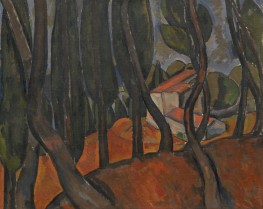
Giclée Canvas Print
$76.67
$76.67
SKU: 20773-DER
Andre Derain
Original Size:81.3 x 100.3 cm
Art Institute of Chicago, Illinois, USA
Andre Derain
Original Size:81.3 x 100.3 cm
Art Institute of Chicago, Illinois, USA
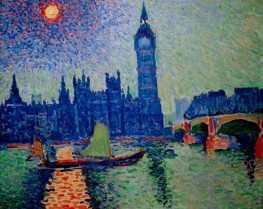
Giclée Canvas Print
$76.84
$76.84
SKU: 20799-DER
Andre Derain
Original Size:unknown
Musee des Beaux-Arts et d'Archeologie, Troyes, France
Andre Derain
Original Size:unknown
Musee des Beaux-Arts et d'Archeologie, Troyes, France
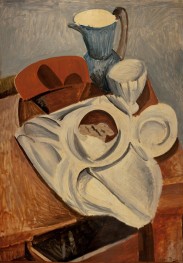
Giclée Canvas Print
$67.22
$67.22
SKU: 20827-DER
Andre Derain
Original Size:102 x 73 cm
National Gallery, Prague, Czech Republic
Andre Derain
Original Size:102 x 73 cm
National Gallery, Prague, Czech Republic
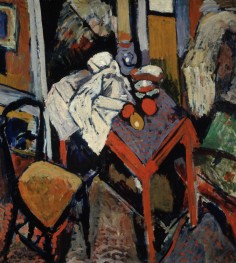
Giclée Canvas Print
$86.82
$86.82
SKU: 20832-DER
Andre Derain
Original Size:94 x 85 cm
Kunsthaus, Zurich, Switzerland
Andre Derain
Original Size:94 x 85 cm
Kunsthaus, Zurich, Switzerland
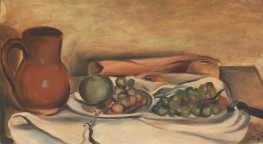
Giclée Canvas Print
$63.52
$63.52
SKU: 20777-DER
Andre Derain
Original Size:25 x 44 cm
Art Institute of Chicago, Illinois, USA
Andre Derain
Original Size:25 x 44 cm
Art Institute of Chicago, Illinois, USA