Why Giclée Prints Became the Interior Designer's Secret Weapon
 TopArtPrint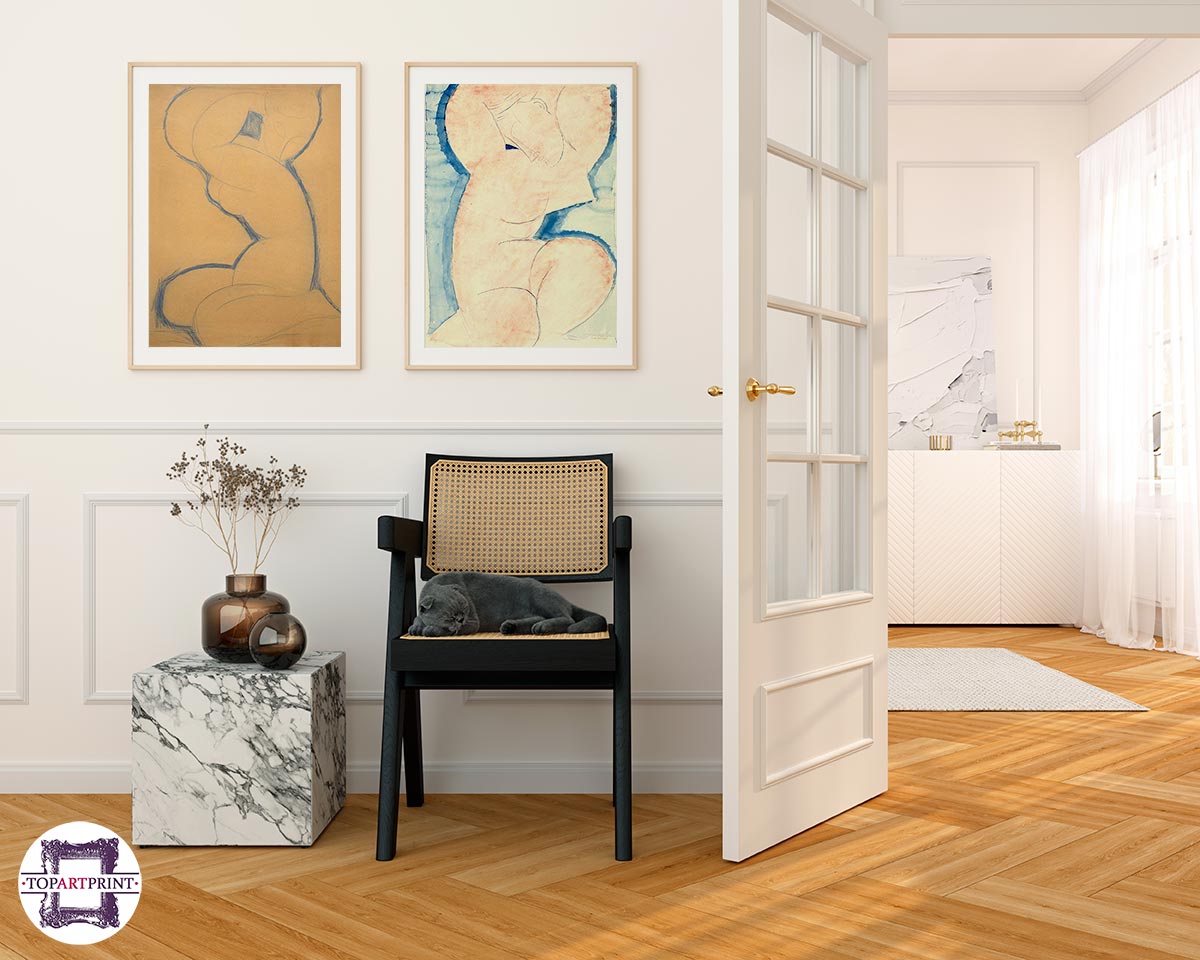
Interior designer called me yesterday. Panic in her voice. "Michael, the hotel opens in three weeks. I need art for forty-five rooms. Today."
This happens more than you'd think.
What Nobody Explains About Giclées
Thirty years in this business, I've watched print technology evolve from "that looks fake" to "wait, that's not painted?"
The jump happened around 2010. Museums started using 12-color printers for their catalogs. Archival inks rated for 100 years. Canvas that actually feels like canvas, not that plastic nonsense from the mall.
Now? A proper giclée under good lighting fools everyone except the people who touch it. And yes, everyone touches art. Don't know why. They just do.
Hotels: The Volume Problem
Hotels need art everywhere. Not just lobbies—every corridor, every room, the restaurant, the bar, even the elevator waiting areas. Boutique hotel recently needed 120 pieces.
Hand-painted at that scale? We're talking about the price of renovating another floor. Plus six months minimum. The hotel would open with empty walls.
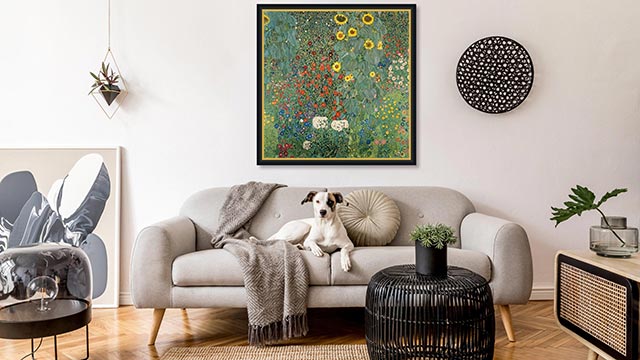
With giclées, same visual impact, delivered in two weeks. The owner took the savings and invested in proper lighting. Smart—great lighting makes decent art look amazing. Bad lighting makes everything look like a garage sale.
Restaurants:
Restaurant owner shows me his dining room. "I need drama, but it has to survive."
Survive is the key word. Kitchen heat, wine splashes, steam from the dishwasher, customers taking selfies while touching everything. Hand-painted art in that environment? Might as well hang money on the walls and watch it deteriorate.
Massive giclée prints of Baroque still lifes. Six feet wide. The fruit looks so real someone tried to pick a grape last week. Under his warm lighting, nobody questions if they're painted. They're too busy taking photos for Instagram.
Airbnb: The Instagram Factor
Every Airbnb host discovered the same thing: art drives bookings. Not just any art—pieces that photograph well.
Host with five properties figured out the formula. High-contrast pieces that pop in photos. Klimt's golden portraits in the master bedroom. Hokusai's wave in the living room (everyone wants the wave). Dramatic Cézanne in the dining room.
Her properties book 40% more than similar units. Same neighborhood, same size, same amenities. Difference? The walls. People literally choose her properties for the backgrounds.
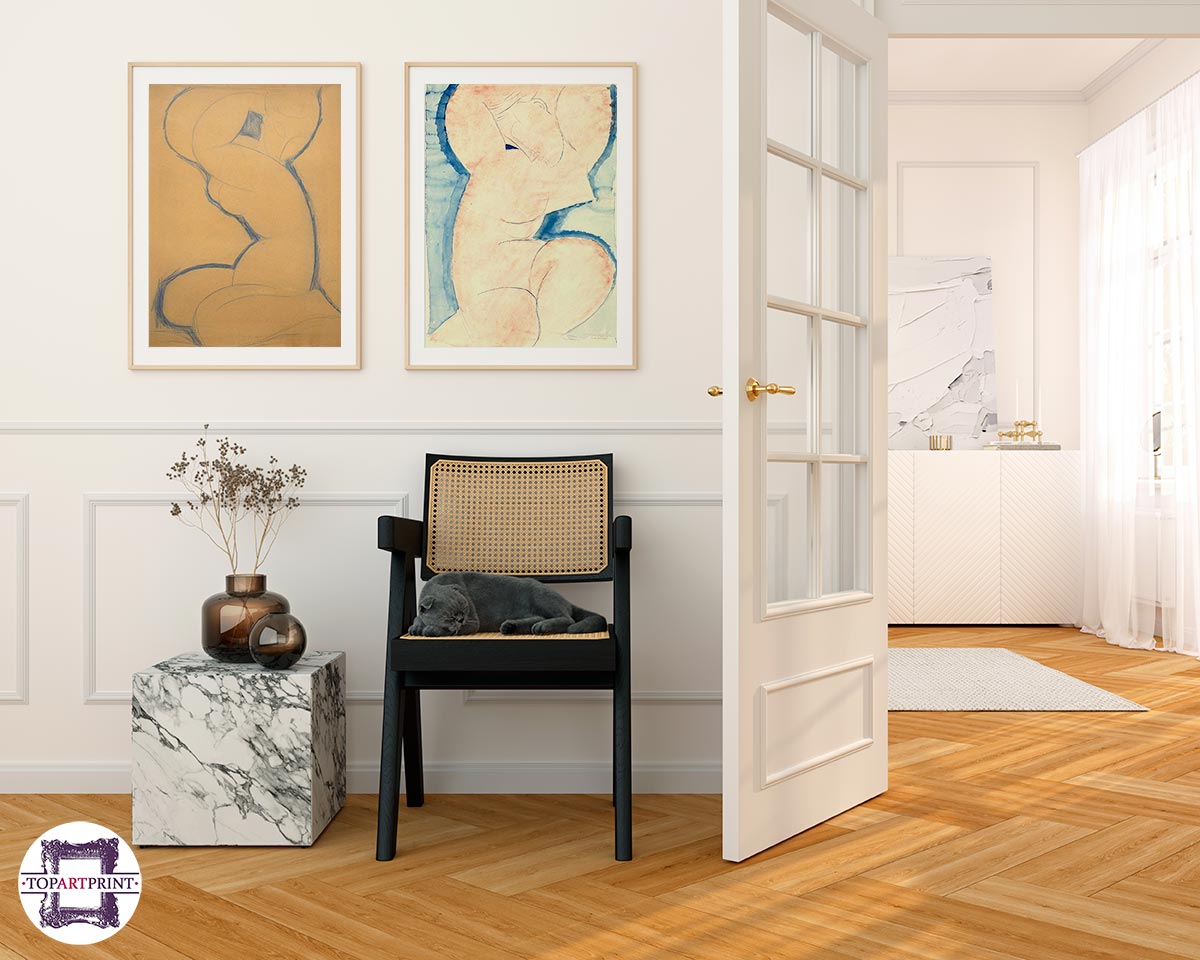
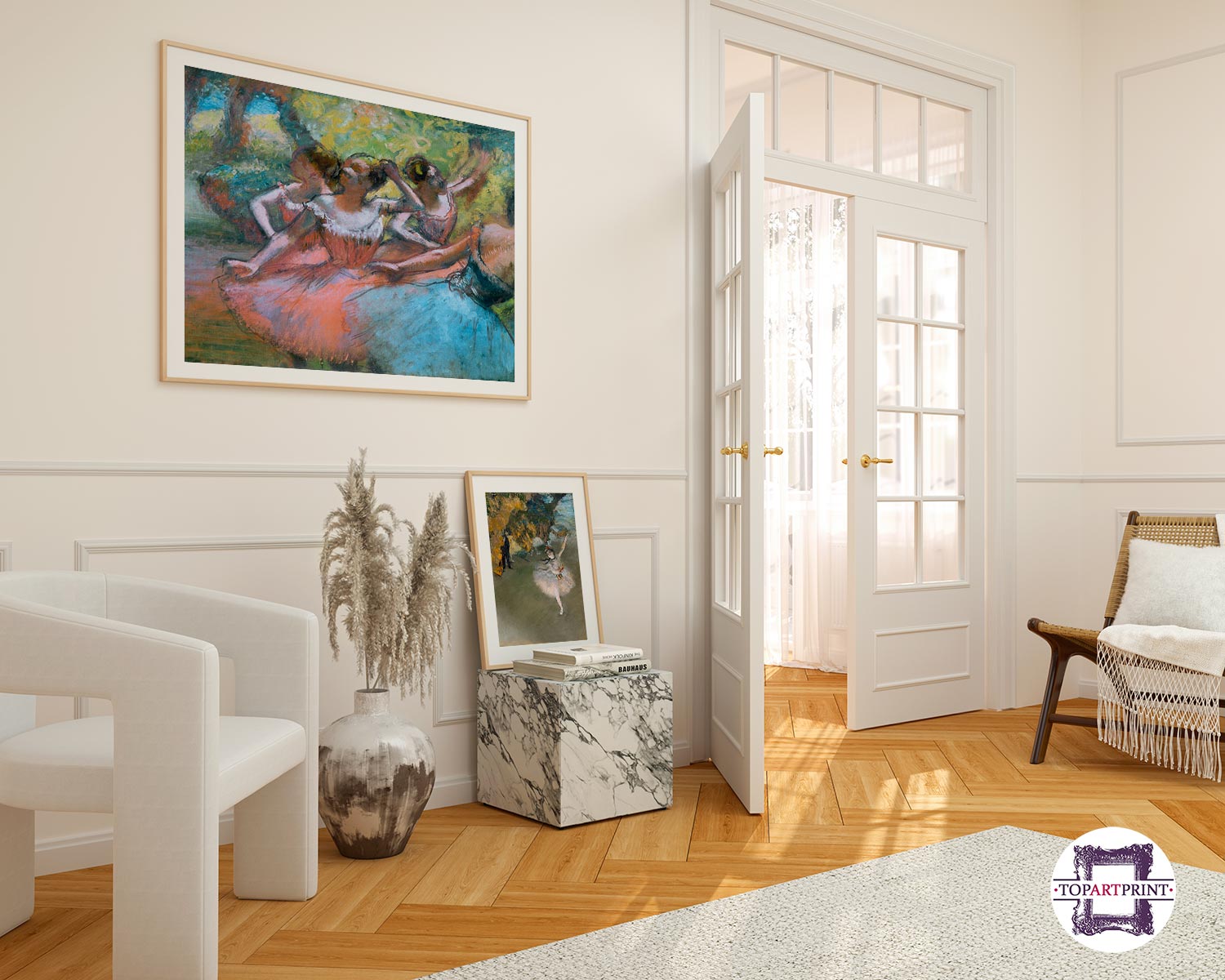
Office Spaces: Beyond Motivational Posters
Law firm redesigning their space. "We need to look established," they said. Translation: clients expect art that suggests success.
Fifty prints later—Turner seascapes, Venetian scenes, some Dutch masters—the place feels like old money. Associates actually bring clients to the office now instead of meeting at hotels. The art changed the entire perception of the firm.
Tech startup went different. Kandinsky's prints, geometric abstractions, bold colors. Makes them look innovative without trying too hard. Cost less than their monthly snack budget.
Private Clients: The Replacement Market
Here's what nobody talks about: everyone has that faded print from twenty years ago. Wedding gift, inherited from parents, bought during that trip to Paris. Once loved, now just... tired.
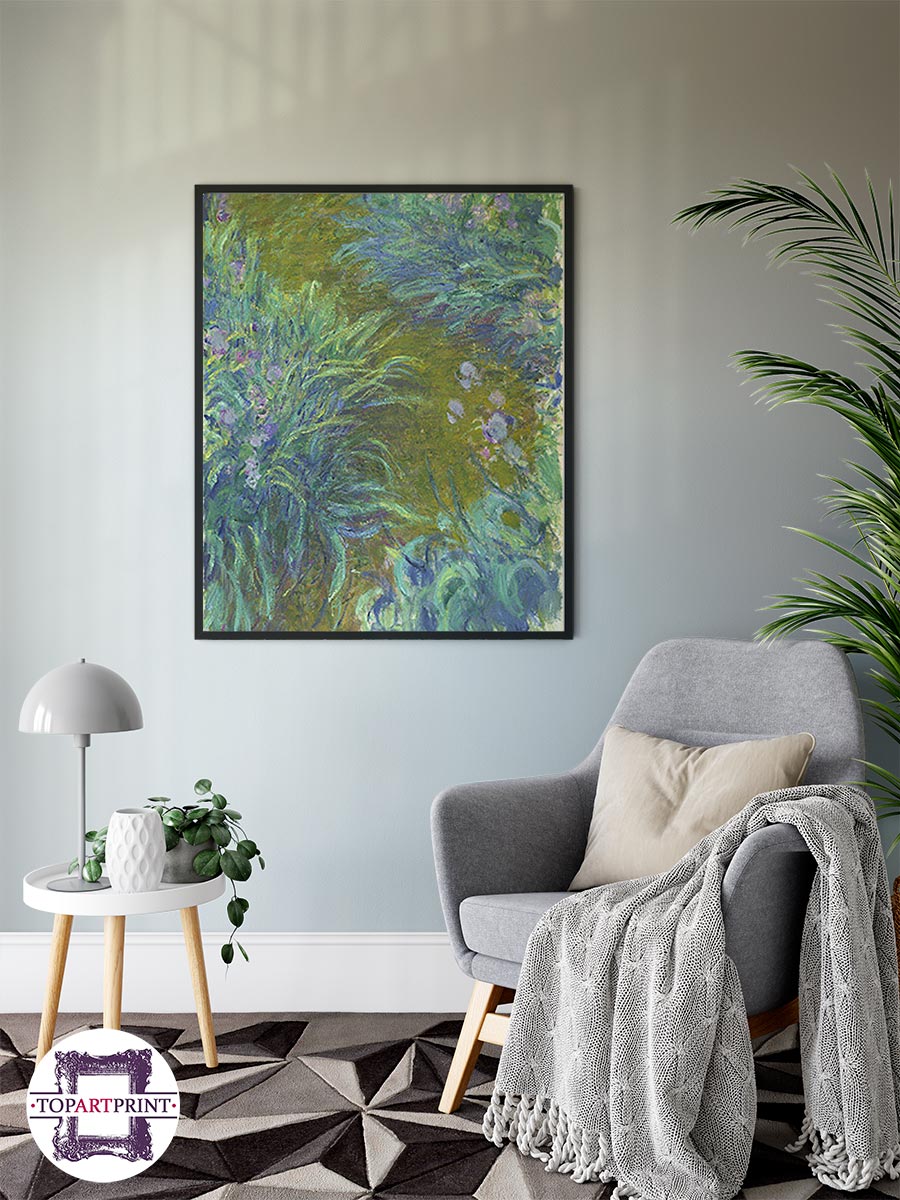
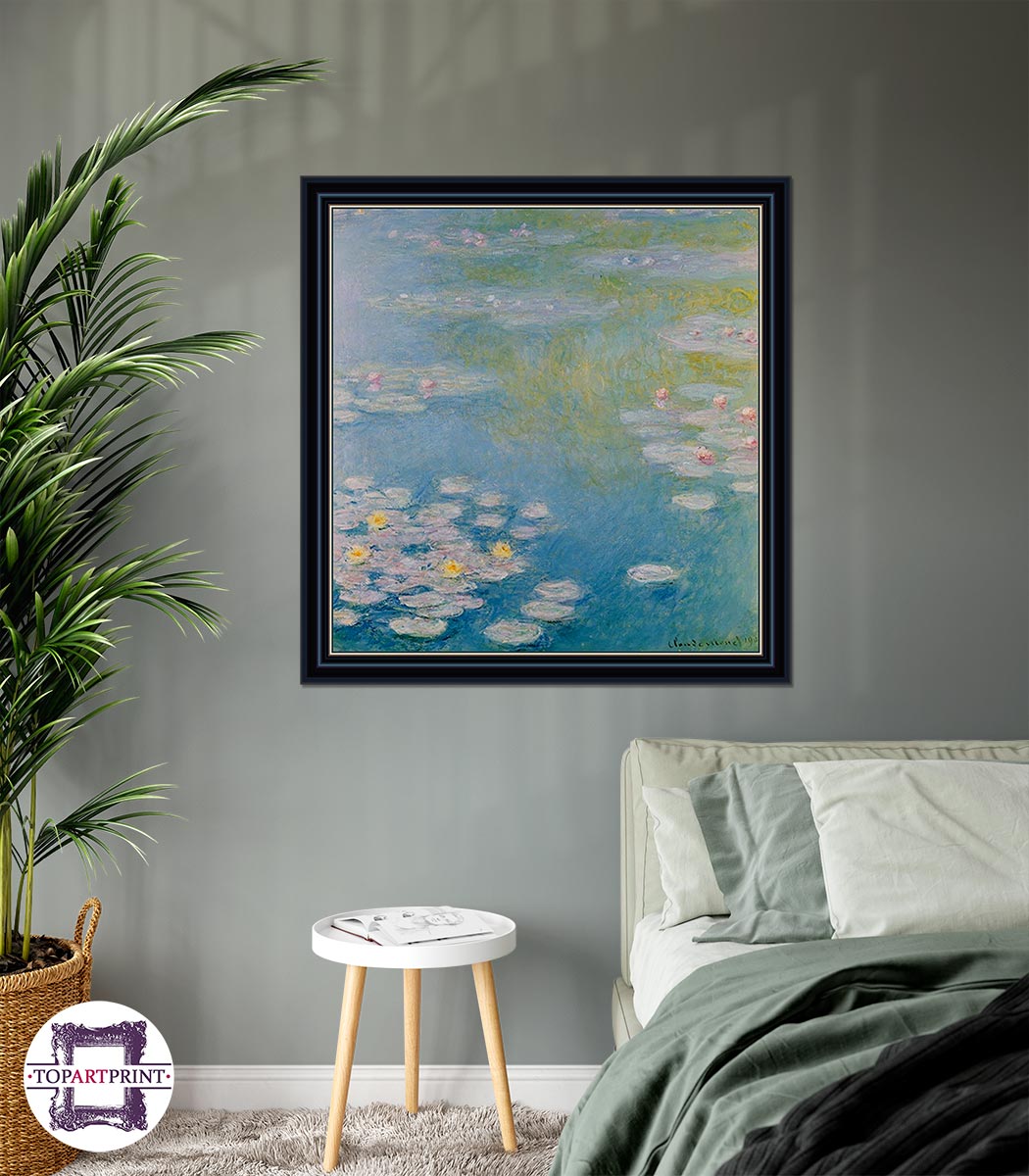
Collector had a sun-damaged Monet print in her dining room. "I can't look at those green water lilies anymore," she said. The blue had turned teal, the purple had vanished completely.
New giclée of the same painting, proper UV-resistant inks, correct colors. "It's like seeing it for the first time again," she said.
That's the thing—people forget what the art originally looked like until they see it fresh.
The Gift Problem Solved
Wedding coming up? Housewarming? That impossible-to-shop-for relative?
Young couple registered for kitchen gadgets they'll never use. Friend gave them a massive van Gogh instead. "Starry Night," 100 cm wide. Dramatic? Yes. Forgotten? Never.
They hung it in their dining room. Every dinner party starts with someone asking about it. Try getting that reaction from a blender.
What Makes a Good Giclée
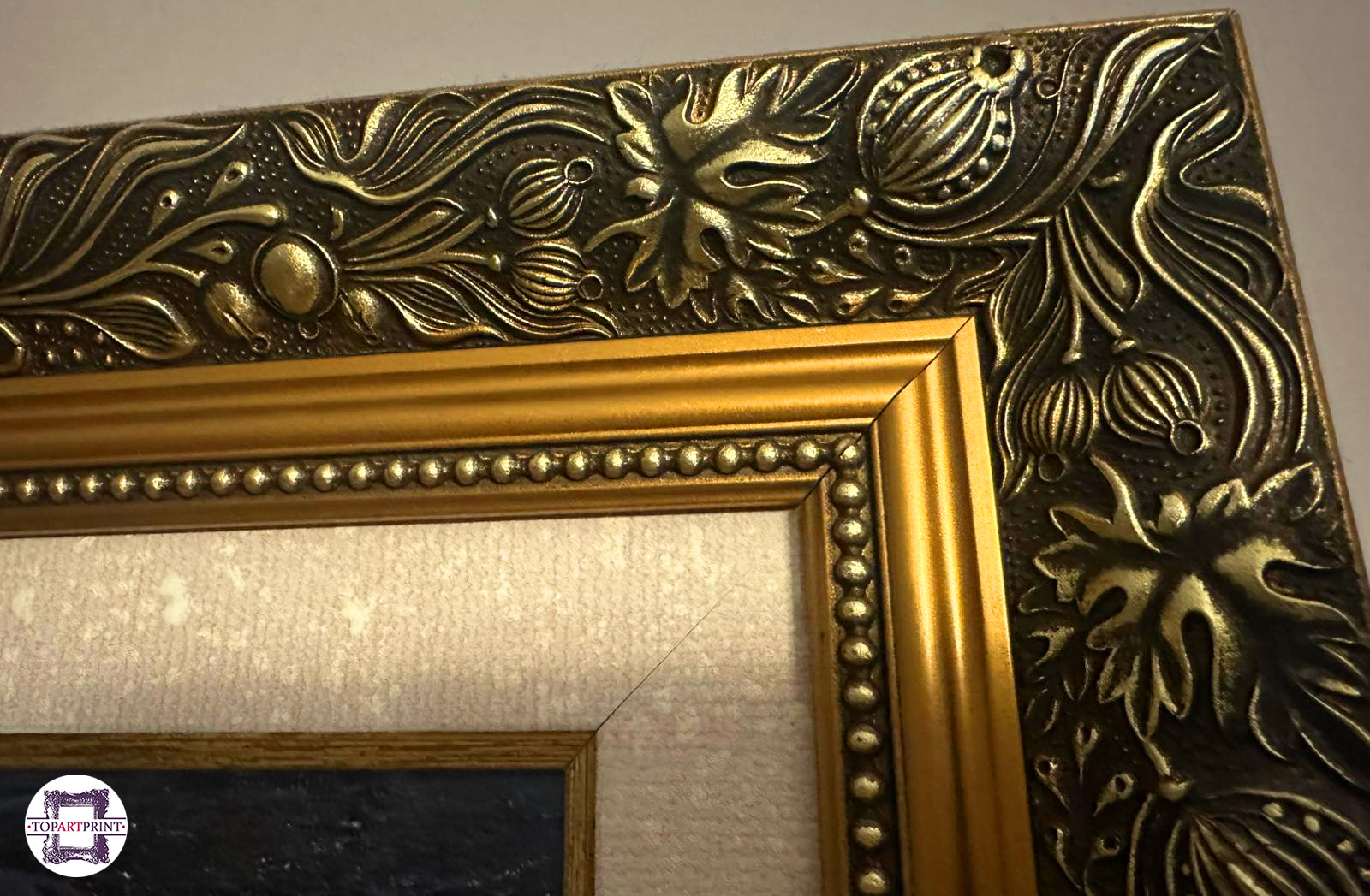
The source matters most. Museum-quality means photographed from the actual painting with equipment that costs more than a car. Every crack, every brushstroke, every place the artist changed their mind—captured.
The ink separates good from garbage. Pigment inks last centuries. Dye inks? Two years before they start looking sad.
Canvas should feel substantial. When someone inevitably touches it (they always do), it shouldn't feel like shower curtain.
The Scale Game
Want Frederic Church's "Heart of the Andes" above your couch? At six feet wide, hand-painted would take months and cost like a car. Giclée? Any size you want, ready next week.
Small powder room? Vermeer's "Girl with a Pearl Earring" at eight inches. Massive hotel lobby? Turner's "Rain, Steam and Speed" at five feet. Same quality, just different sizes.
That flexibility changes everything. One image, multiple locations, perfect sizing for each space.
Smart Mixing
Best approach I've seen: collectors who understand both worlds.
Investment pieces—hand-painted, careful selection, prominent placement. The kind you study over morning coffee.
Everything else—quality giclées. Hallways, guest rooms, seasonal rotations. Spring arrives, swap winter scenes for gardens. Hosting a dinner party? Change the dining room art to match the mood.
Not compromise. Strategy.
Why It Works
After three decades watching people choose art, here's what I know: most rooms need something on the walls. Empty walls make spaces feel temporary, unfinished, unloved.
Whether that something took six weeks to paint or six minutes to print matters less than whether it transforms the space. Good giclées, properly lit and framed, deliver most of the impact at a fraction of the investment.
That designer panicking about her hotel? Opened on time. Forty-five rooms, each with carefully chosen prints. Reviews mention the "gallery-quality art" constantly.
She knows they're prints. I know they're prints. The guests? They're too busy enjoying them to ask.
That's success. The walls speak, the space lives, the budget survives.
Most times, that's all you need.